When the Eye Eats Too: Colors, Shapes, and Textures in the Aesthetics of Food

When the Eye Eats Too: Colors, Shapes, and Textures in the Aesthetics of Food
We don’t just eat with our mouths—we eat with our eyes. Long before the first bite reaches the tongue, our vision has already shaped expectations of flavor, freshness, and quality. The look of a dish can spark appetite, influence how we perceive taste, and even affect our mood. In a culture where food photos fill social media feeds and restaurant menus are designed for both taste and Instagram, the aesthetics of food have become an essential part of the dining experience in the United States.
Colors That Feed the Appetite
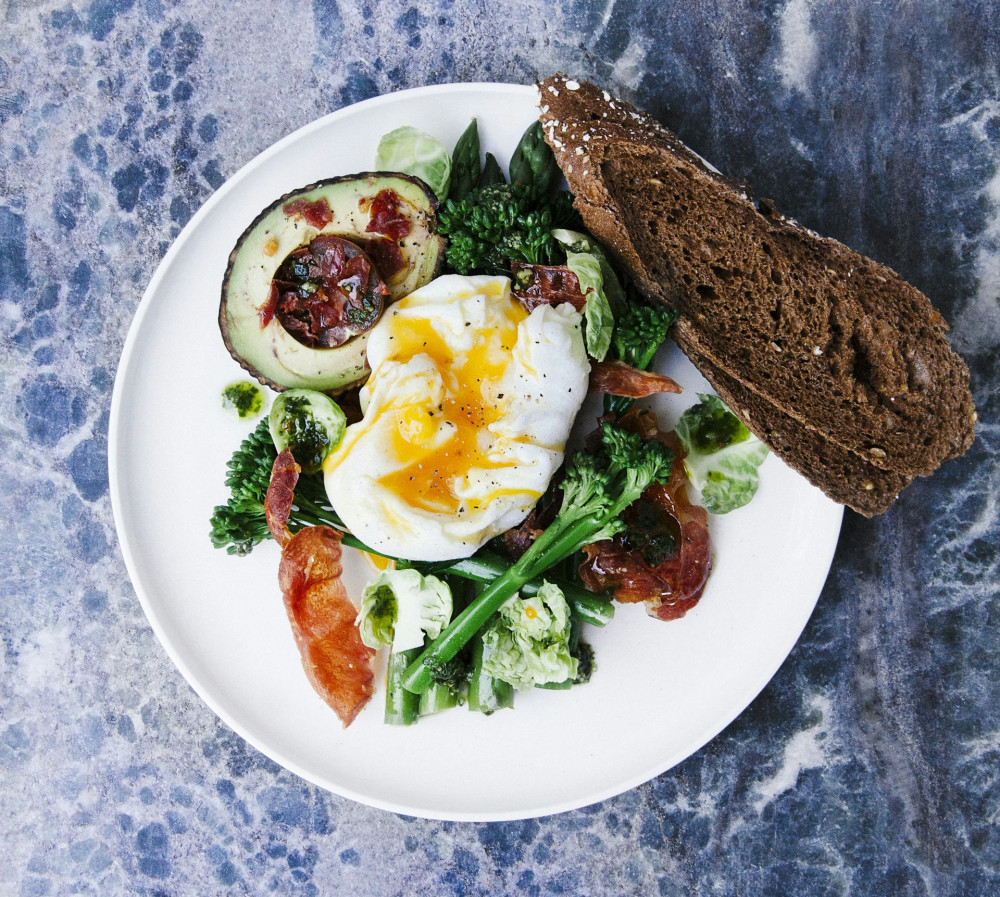
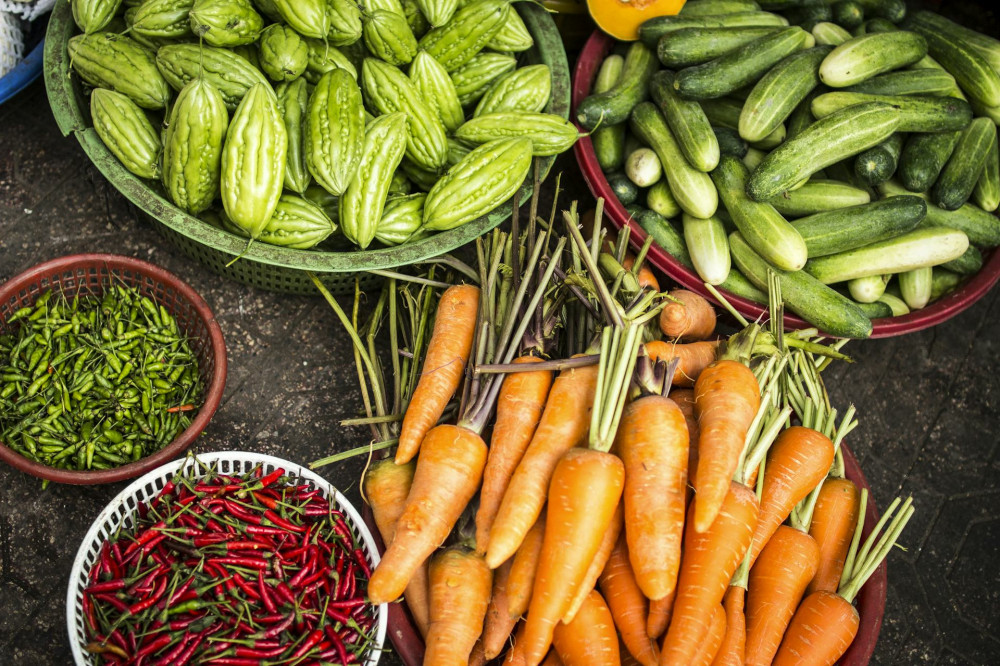
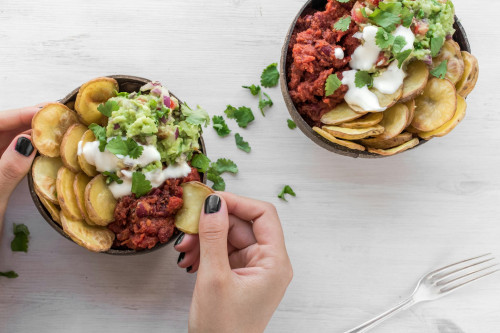
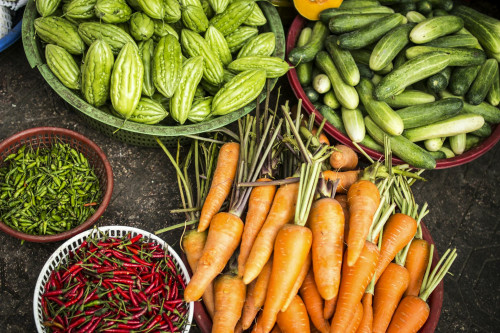
Color is the first thing we notice on a plate. It signals ripeness, flavor, and even nutritional value. A salad bursting with deep greens, bright oranges, and ruby reds feels more appetizing than a monochrome dish. Studies show that color can shape our expectations: we associate red with sweetness, green with freshness, and yellow with tanginess.
American chefs and food stylists often use color to tell a story. Think of the patriotic red, white, and blue of a summer berry trifle, or the earthy palette of a fall harvest bowl. A neutral base—like rice, pasta, or mashed potatoes—comes alive when paired with colorful vegetables or a drizzle of vibrant sauce. Even small details, such as a sprinkle of herbs or a streak of chili oil, can transform a dish from ordinary to irresistible.
Shapes and Composition – When the Plate Becomes a Canvas
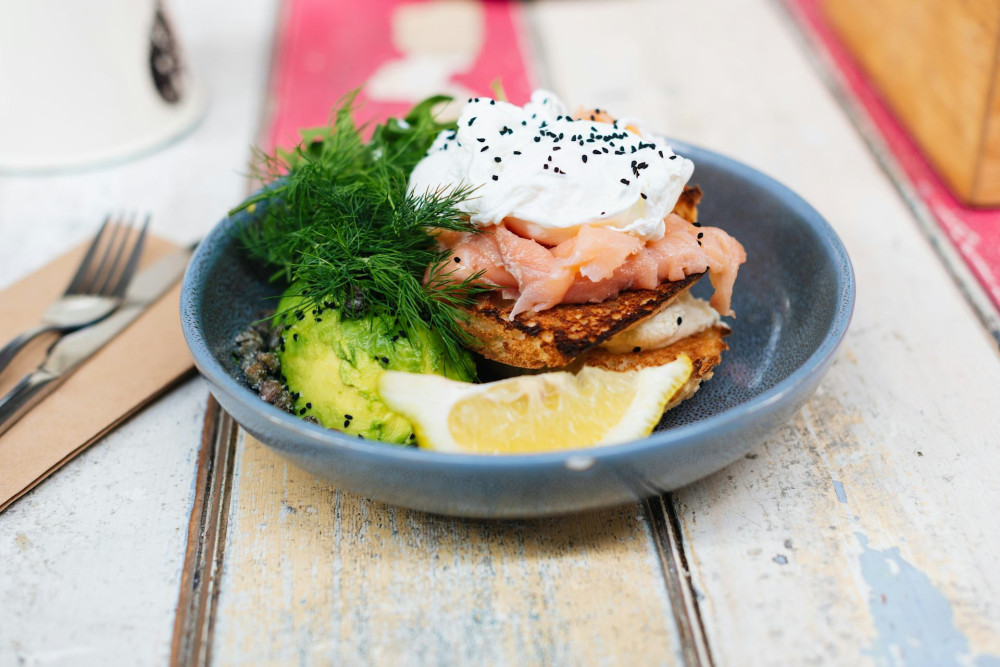
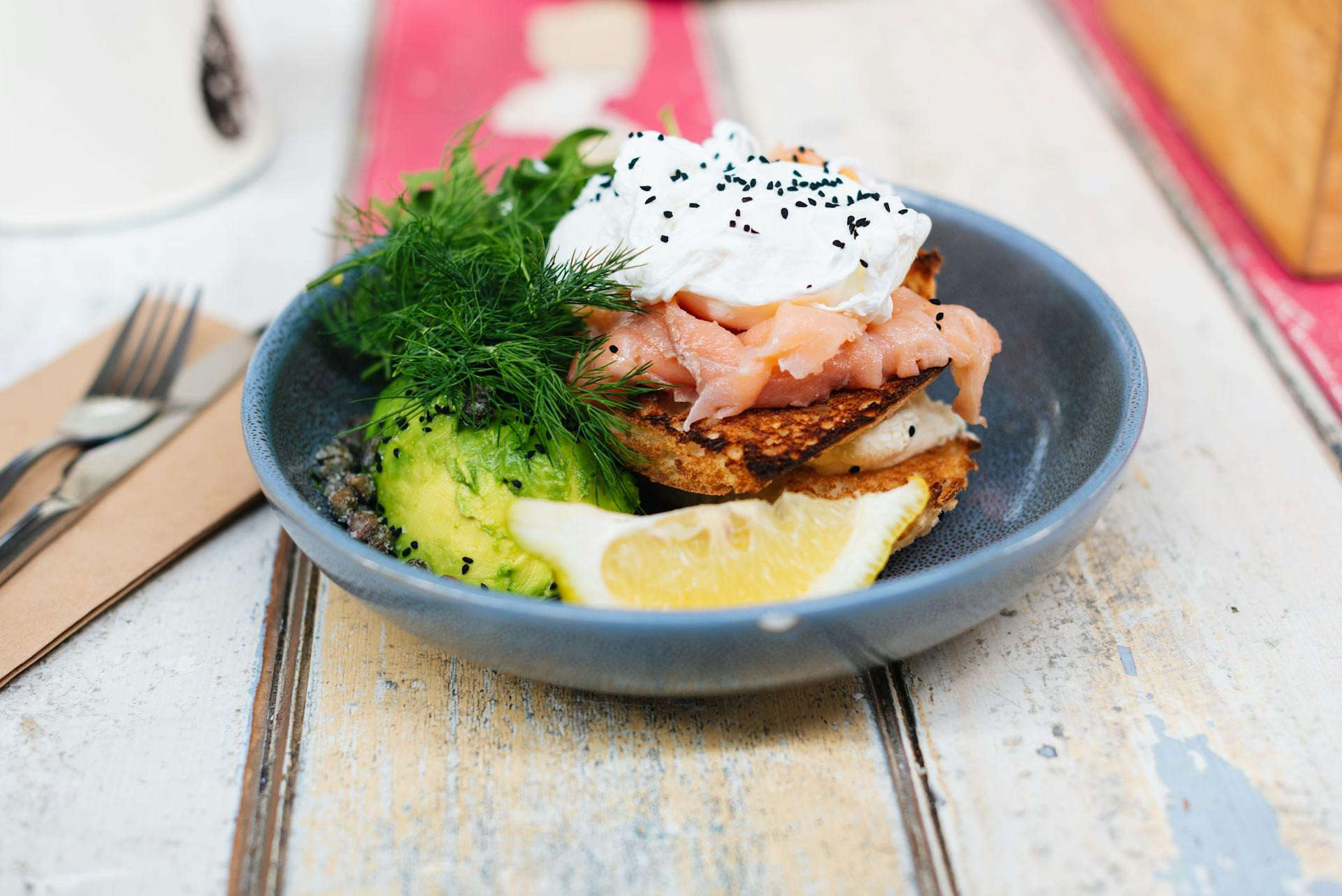
The shape and arrangement of food help set the tone of a meal. A rustic stew served in a cast-iron pot evokes comfort and tradition, while a minimalist dish arranged in geometric patterns feels modern and refined. The way food is plated can express personality, culture, and mood.
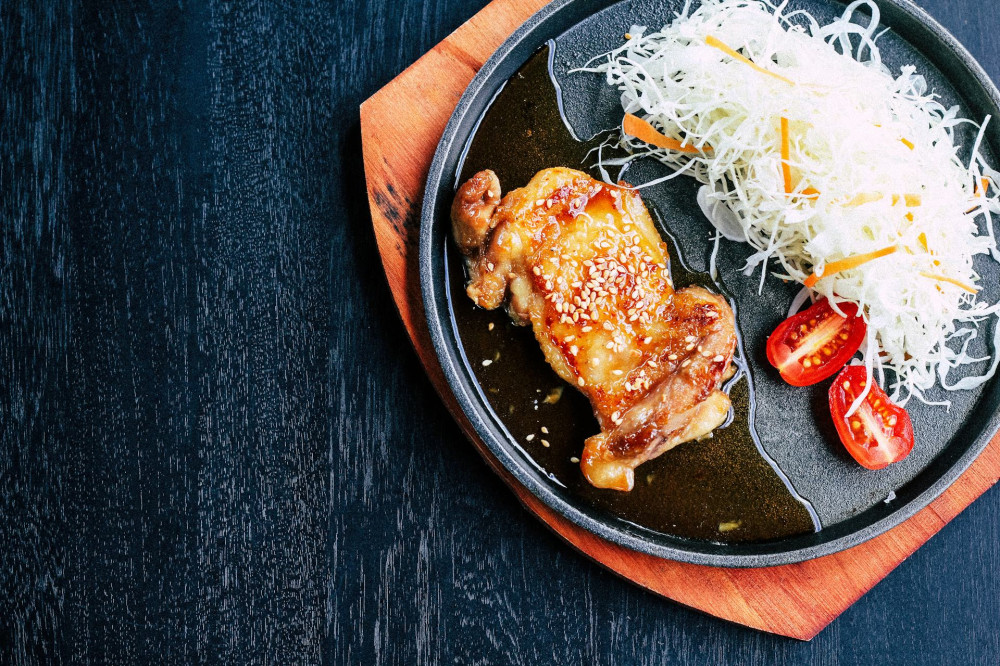
In contemporary American dining, “plating” has become an art form. Chefs think about balance—creating a focal point, varying height, and guiding the eye across the plate. A well-composed dish works like a painting: it draws attention, invites curiosity, and tells a story. The goal isn’t decoration for its own sake, but harmony—using form to highlight the character of the ingredients.
Textures That Create Contrast and Curiosity
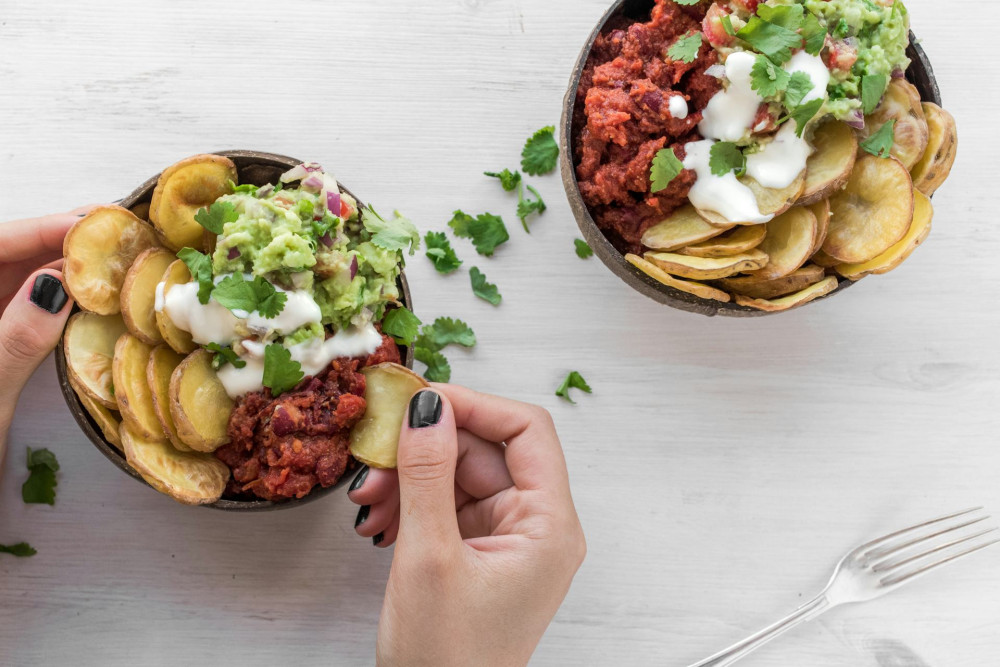
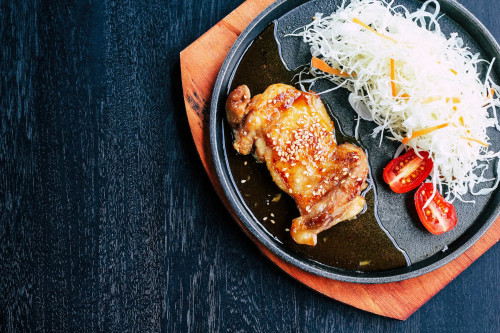
Texture adds dimension to both sight and taste. A dish that’s all soft or all crunchy can feel flat, no matter how flavorful it is. The magic happens in contrast: the crisp crust of fried chicken against tender meat, the crunch of toasted nuts over creamy soup, or the silky smoothness of chocolate mousse paired with a brittle shard of caramel.
Texture can also surprise us. When something looks crisp but melts on the tongue, or when a smooth sauce hides tiny bursts of crunch, our senses awaken. These small moments of contrast make eating more engaging and memorable.
Læs også:
Light, Shadow, and Atmosphere
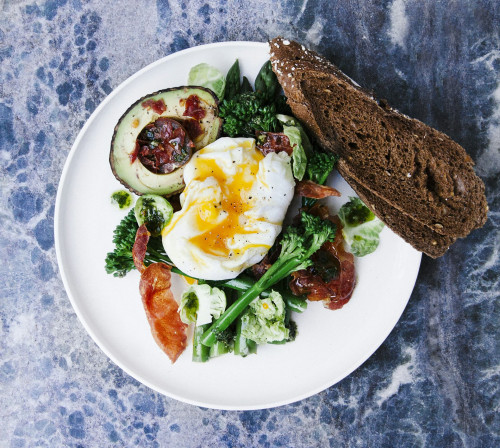
Light shapes how we perceive food. Warm, golden light makes dishes look inviting and comforting, while cooler light emphasizes freshness and clarity. In restaurants, lighting is carefully chosen to set the mood—from the soft glow of candlelight in a cozy bistro to the bright, clean light of an open kitchen where colors must be judged precisely.
At home, light can transform a meal too. Breakfast in morning sunlight feels energizing, while dinner under dimmed lights feels intimate and calm. Light and shadow don’t just illuminate food—they sculpt it, adding depth and emotion to the experience.
When Aesthetics and Flavor Meet
The aesthetics of food aren’t about showing off; they’re about creating harmony. When color, shape, and texture come together, they amplify flavor and emotion. A beautifully presented dish can spark curiosity and anticipation, while a poorly arranged one can dull the appetite, even if it tastes good.
In the end, a memorable meal engages all the senses. We eat with our eyes, but also with our noses, hands, and hearts. The beauty of food isn’t just surface deep—it’s part of the story we taste.
Læs også: