Taste and Culture: Why We Experience Food Differently

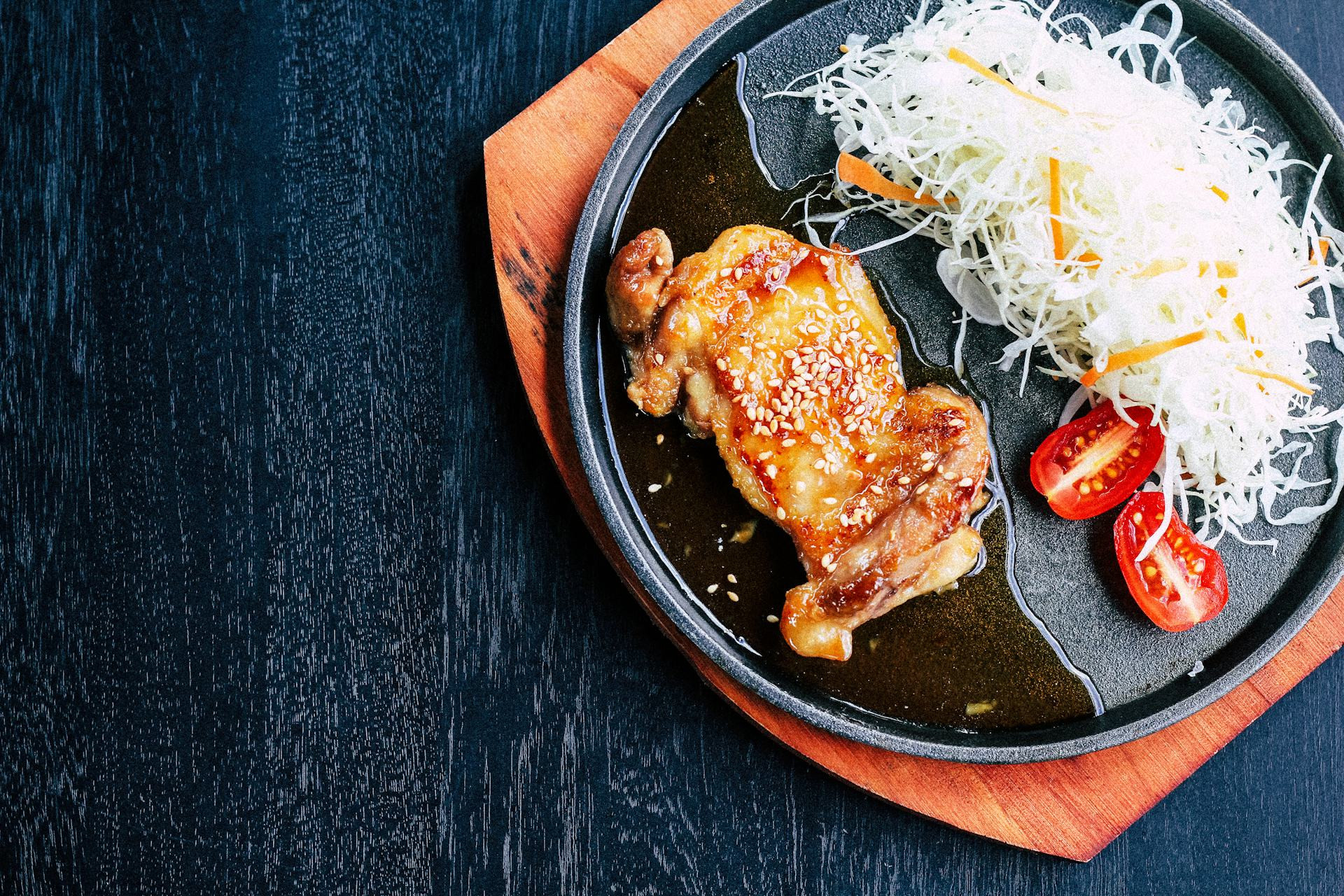
Discover how culture, memory, and biology shape the way we taste and enjoy food
Culinary
Culinary
5 min
From childhood meals to global cuisines, our sense of taste is more than just a physical reaction—it’s a reflection of our identity and experiences. Explore how culture, emotion, and personal history influence what we find delicious or unappealing.
Gabriel Scott
Gabriel
Scott

Taste and Culture: Why We Experience Food Differently

Discover how culture, memory, and biology shape the way we taste and enjoy food
Culinary
Culinary
5 min
From childhood meals to global cuisines, our sense of taste is more than just a physical reaction—it’s a reflection of our identity and experiences. Explore how culture, emotion, and personal history influence what we find delicious or unappealing.
Gabriel Scott
Gabriel
Scott

Why do some people crave fiery hot wings while others can barely handle a hint of spice? Why does black coffee taste rich and comforting to one person but harshly bitter to another? Our experience of food is shaped not only by our taste buds but also by our upbringing, culture, and memories. Taste is both biology and identity—it tells a story about who we are and where we come from.

Taste Begins in the Body – and Ends in the Brain

Taste is one of our most basic senses. On the tongue, we detect five primary tastes: sweet, sour, salty, bitter, and umami. But how we perceive them depends on much more than physiology. The brain interprets these signals in combination with smell, sight, and even sound—meaning the same dish can taste completely different to two people.

Scientists have found that some individuals have more taste buds than others, making them “super-tasters.” These people often find foods like coffee, dark chocolate, or kale intensely bitter, while others experience them as pleasantly mild. Yet biology is only part of the story.

Culture’s Influence: Taste as a Social Code

Food is a cornerstone of culture. It reflects what we value and how we connect with others. In the United States, comfort foods like mac and cheese, apple pie, or barbecue carry deep emotional and regional significance. But what feels familiar and comforting to one person might seem unusual to someone from another background. The foods we grow up with become our “taste home.”

Culture also shapes how we judge flavors. In some parts of the world, spicy food symbolizes warmth, energy, and hospitality; in others, it can feel overwhelming. In France, balance and refinement are prized, while in the American South, bold flavors and generous portions express abundance and community. Taste, in this sense, is a language we learn to speak through our culture.

Memory, Emotion, and Habit

Taste is deeply tied to memory. The smell of freshly baked cookies might transport you back to your grandmother’s kitchen, while a certain dish can remind you of a trip or a loved one. Eating is emotional—it connects us to moments and people.

Familiar foods bring comfort, while new ones can spark curiosity—or hesitation. That’s why children often reject unfamiliar flavors but gradually learn to enjoy them. Our preferences evolve over time, influenced by travel, relationships, and exposure to new cuisines.

Globalization and New Flavor Encounters

Today, food cultures are more intertwined than ever. Sushi, tacos, and curry are everyday options in American cities, while burgers and fried chicken have become global staples. Globalization has expanded our palates, but it has also created exciting fusions between tradition and innovation.

Think of Korean barbecue tacos, Nashville hot chicken ramen, or plant-based versions of classic comfort foods. These dishes reflect how cultures meet and adapt. Food becomes a creative expression of our interconnected world.

Taste as Identity

More than ever, what we eat expresses who we are. Some people choose vegetarian or vegan diets for ethical reasons; others focus on local, sustainable ingredients or experiment with fermentation and ancestral recipes. Our food choices reflect our values, lifestyle, and even our social identity.

Food is not just nourishment—it’s communication. It tells others what we care about and how we see ourselves. Sharing a meal is, in many ways, sharing a piece of our story.

A Shared Experience with Personal Flavors

Even though we experience taste differently, food brings us together. A meal can bridge generations, cultures, and communities. Around the table, differences turn into curiosity, and conversation transforms eating into connection.

Understanding why we taste differently is ultimately about understanding one another. Because in the end, food isn’t just something we consume—it’s something we experience, together.

Plant-Based and Impressive – No Fancy Techniques Needed
Simple, flavorful, and beautiful plant-based meals anyone can make
Culinary
Culinary
Plant-Based Cooking
Easy Recipes
Healthy Eating
Sustainable Living
Home Cooking
7 min
Discover how easy it can be to cook impressive plant-based dishes without complicated steps or rare ingredients. Learn to use what you already have, focus on flavor, and enjoy stress-free cooking that looks as good as it tastes.
Jonah King
Jonah
King
Taste and Culture: Why We Experience Food Differently
Discover how culture, memory, and biology shape the way we taste and enjoy food
Culinary
Culinary
Taste
Culture
Food
Psychology
Identity
5 min
From childhood meals to global cuisines, our sense of taste is more than just a physical reaction—it’s a reflection of our identity and experiences. Explore how culture, emotion, and personal history influence what we find delicious or unappealing.
Gabriel Scott
Gabriel
Scott
Eat Mindfully: Choose Local and Seasonal Ingredients
Discover how local and seasonal choices can transform your meals and support a sustainable lifestyle
Culinary
Culinary
Mindful Eating
Sustainable Living
Local Food
Seasonal Cooking
Healthy Lifestyle
5 min
Eating mindfully means more than just choosing healthy foods—it’s about connecting with the seasons, your community, and the environment. Learn how selecting local and seasonal ingredients can bring fresher flavors to your table while benefiting both your health and the planet.
Lila Martinez
Lila
Martinez
When the Eye Eats Too: Colors, Shapes, and Textures in the Aesthetics of Food
Discover how visual appeal transforms the way we experience food
Culinary
Culinary
Food Aesthetics
Culinary Design
Visual Culture
Dining Experience
Food Photography
7 min
From vibrant colors to playful textures, the visual presentation of food shapes our appetite and perception long before the first bite. Explore how chefs, designers, and diners alike use aesthetics to turn every meal into a feast for the eyes.
Celine Spencer
Celine
Spencer
Mistakes as Learning: When Imperfection Becomes a Strength in Your Growth
Discover how embracing your mistakes can unlock creativity, confidence, and lasting personal growth
Lifestyle
Lifestyle
Personal Growth
Learning
Self-Improvement
Mindset
Resilience
5 min
We often see mistakes as setbacks, but they can be powerful tools for learning and self-improvement. This article explores how accepting imperfection helps you grow stronger, think more creatively, and build resilience in both life and work.
Phoenix Martinez
Phoenix
Martinez
Create a Positive Mindset That Strengthens Your Steady Energy
Discover how a positive mindset can help you stay balanced, focused, and full of steady energy every day
Lifestyle
Lifestyle
Positive Mindset
Personal Growth
Mental Wellness
Energy Management
Self-Care
2 min
Learn how to strengthen your energy and emotional balance by cultivating a positive mindset. This article explores practical ways to shift your thoughts, build supportive routines, and approach challenges with curiosity and self-kindness.
Jonah King
Jonah
King
Find calm in your body with simple relaxation techniques
Discover how simple techniques can help your body unwind and your mind find peace
Lifestyle
Lifestyle
Relaxation
Mindfulness
Stress Relief
Wellbeing
Self-Care
3 min
Learn how to release tension and restore balance in your everyday life with easy relaxation methods. From mindful breathing to gentle body awareness, these techniques can help you create calm moments that last.
Gabriel Scott
Gabriel
Scott