How to Cook Vegetables That Keep Their Flavor, Color, and Nutrients

How to Cook Vegetables That Keep Their Flavor, Color, and Nutrients
Vegetables are among the most important sources of vitamins, minerals, and fiber in our diet—but how you cook them makes all the difference. Overcooking can dull their color, drain their nutrients, and leave them mushy, while too much heat can make them bitter. The good news is that with a few simple techniques, you can bring out the best in your vegetables. Here’s a guide to cooking them so they stay vibrant, flavorful, and full of nutrition.
Know Your Vegetables
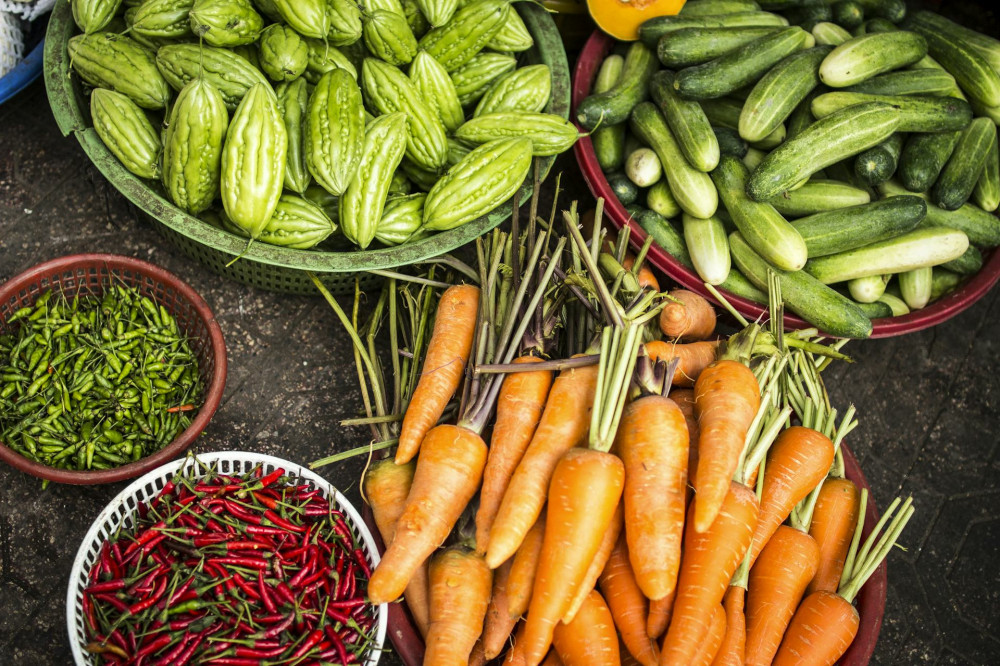
Different vegetables need different treatment. Root vegetables like carrots and sweet potatoes can handle higher heat and longer cooking times, while tender greens like spinach or kale lose their color and texture quickly if overcooked.
A good rule of thumb is to think about the vegetable’s structure:
- Dense vegetables (like potatoes, beets, and carrots) need more time to become tender.
- Leafy greens (like spinach, kale, or Swiss chard) cook in just a few minutes.
- Cruciferous vegetables and beans (like broccoli, green beans, or Brussels sprouts) benefit from quick blanching to keep their color and make them easier to digest.
By adjusting your cooking method to the type of vegetable, you’ll preserve their natural character and avoid dull, lifeless results.
Steaming – Gentle and Nutritious
Steaming is one of the best ways to preserve nutrients. Because the vegetables don’t sit directly in water, fewer vitamins leach out, and their color and crispness stay intact.
Here’s how:
- Cut vegetables into even pieces so they cook evenly.
- Bring a small amount of water to a boil in a pot and place a steamer basket above it.
- Steam under a lid for 3–8 minutes, depending on the vegetable.
Taste as you go—the vegetables should be tender but still have a bit of bite. Just before serving, drizzle with olive oil and a squeeze of lemon juice for extra flavor.
Stir-Frying – Quick and Flavorful
Stir-frying is perfect for vegetables that should stay crisp and colorful. The high heat caramelizes the surface, enhancing their natural sweetness and umami.
Use a wok or large skillet and make sure it’s very hot before adding the vegetables. Cook in small batches so the temperature stays high, and toss constantly. Add a splash of soy sauce, garlic, or ginger for extra depth.
Bell peppers, snap peas, broccoli, and mushrooms are especially good for this method.
Læs også:


Blanching – Bright Color and Fresh Taste
Blanching means briefly boiling vegetables and then plunging them into ice water. It’s a great way to lock in color and texture, especially for green vegetables like beans, broccoli, and spinach.
Boil the vegetables in lightly salted water for 1–3 minutes, then transfer them immediately to a bowl of ice water. The result: bright, crisp vegetables that taste fresh and look beautiful. Blanched vegetables are great in salads, as side dishes, or in recipes that call for a quick reheat.
Roasting – Sweetness and Depth
Roasting brings out the natural sweetness of vegetables through caramelization, giving them a rich, deep flavor. It works especially well for root vegetables, onions, cauliflower, and squash.
Cut the vegetables into even pieces, toss them with a bit of oil, salt, and herbs, and roast at 400°F for 20–40 minutes, turning them halfway through. To keep nutrients intact, avoid roasting too long—they should be tender but not dry.
Boiling – Simple but Tricky
Boiling is the most common method, but it’s also the one where the most nutrients are lost. If you boil vegetables, use as little water as possible and cook them briefly. A smart trick is to use the cooking water in soups or sauces—it contains many of the vitamins that would otherwise be lost.
Season Thoughtfully
Vegetables have their own natural flavor that can easily be overwhelmed by too much salt or fat. Instead, use fresh herbs, citrus juice, vinegar, or toasted seeds to enhance their taste. A sprinkle of sea salt and a drizzle of good olive oil can do wonders—let the vegetables be the star.
Keep the Goodness In
A few simple habits can help you get the most from your vegetables:
- Cut them just before cooking to preserve vitamins.
- Avoid soaking them in water unless necessary.
- Cook only what you need—reheating can reduce both flavor and nutrients.
- Choose seasonal produce—it’s naturally more flavorful and needs less cooking.
Simple Techniques, Big Results
Cooking vegetables so they keep their flavor, color, and nutrients isn’t about complicated techniques—it’s about attention and care. With a few mindful steps, you can turn even the simplest vegetables into delicious, nutrient-rich dishes that elevate your entire meal.
Læs også: