Eat Mindfully: Choose Local and Seasonal Ingredients

Eat Mindfully: Choose Local and Seasonal Ingredients
Eating mindfully isn’t just about nutrition—it’s about making choices that support your health, your community, and the planet. When you choose ingredients that are in season and grown close to home, you enjoy fresher food, reduce your environmental footprint, and help sustain local farmers and producers. Here’s how you can make local and seasonal eating a natural part of your everyday life.
Why Choose Local Ingredients?
Local food often travels shorter distances, which means fewer carbon emissions and less need for packaging or preservatives. By buying from nearby farms, markets, or community-supported agriculture (CSA) programs, you’re investing in your local economy and helping small producers thrive.
Shopping locally also connects you more closely to your food. You can meet the people who grow it, learn about their farming practices, and gain a deeper appreciation for the effort behind every tomato, apple, or loaf of bread. That connection often leads to better choices and a greater sense of satisfaction at mealtime.
Læs også:



Seasonal Food Tastes Better
There’s a reason strawberries taste sweetest in early summer and winter squash feels just right in the fall. When you eat with the seasons, you’re enjoying produce harvested at its peak—full of flavor, nutrients, and freshness.
Here’s a quick look at what’s in season across much of the U.S.:
- Spring: Asparagus, peas, spinach, radishes, and strawberries.
- Summer: Tomatoes, corn, zucchini, peaches, berries, and fresh herbs.
- Fall: Apples, pumpkins, sweet potatoes, kale, and mushrooms.
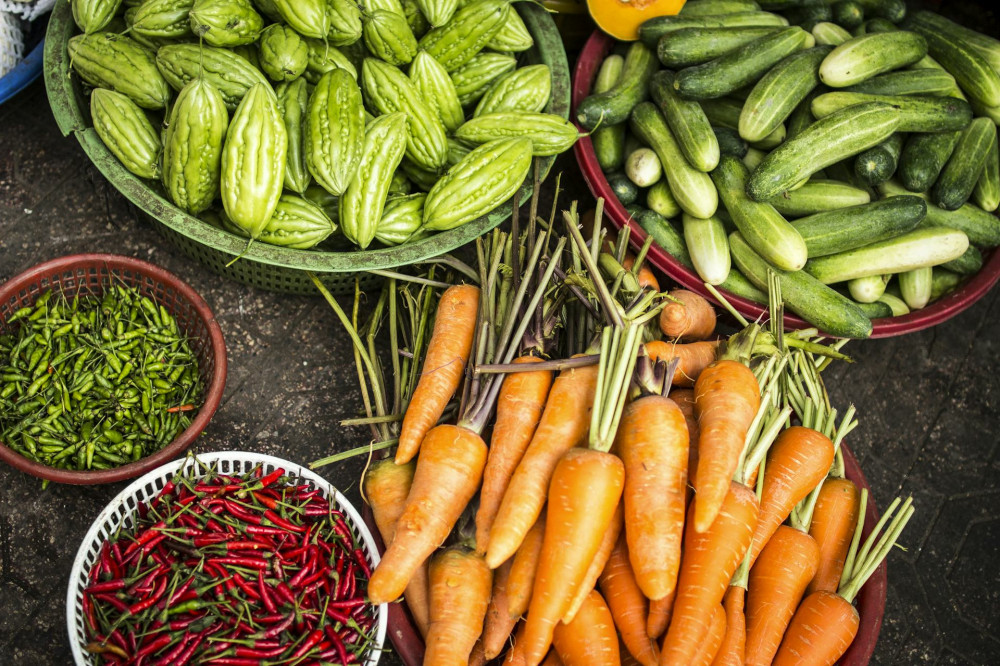
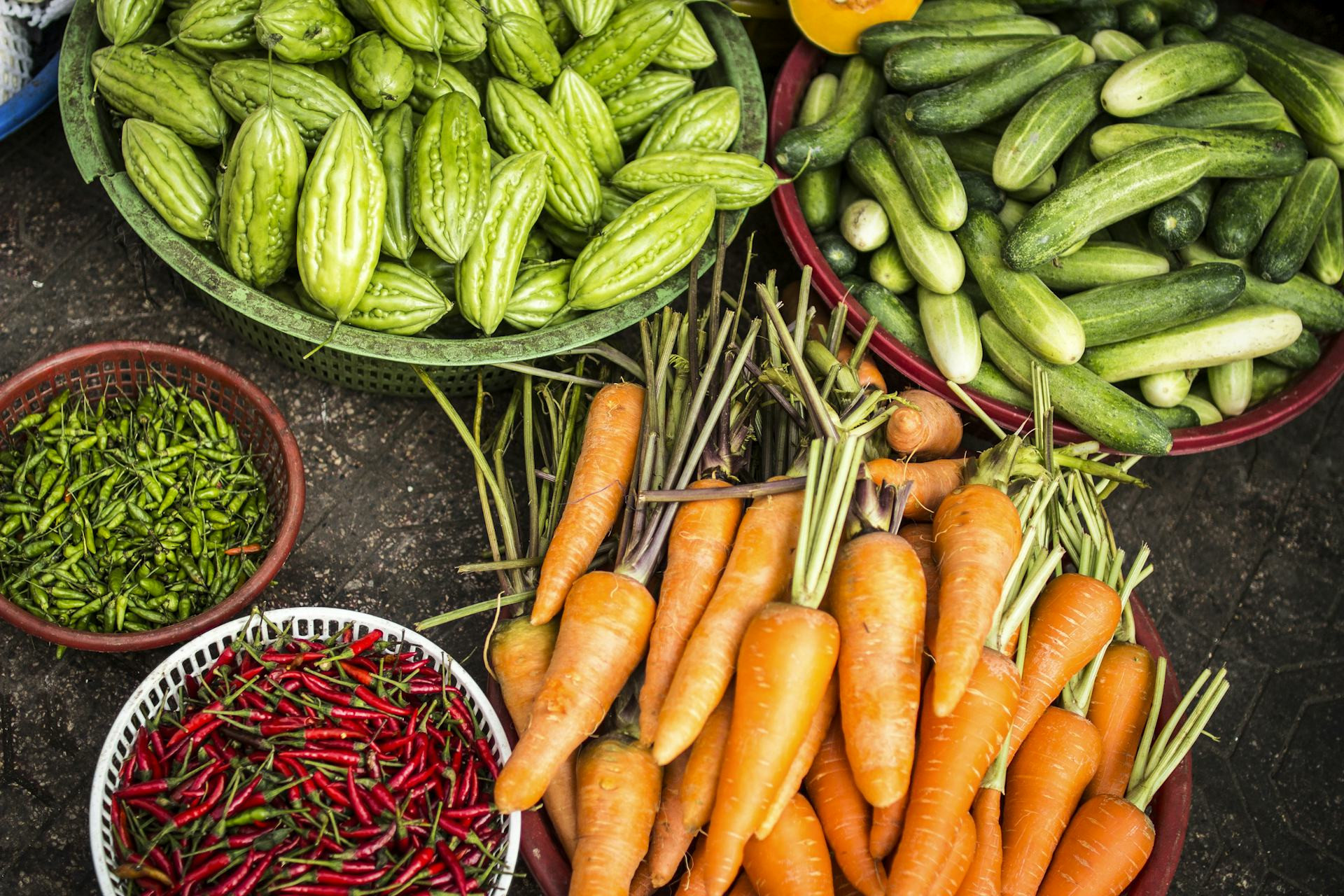
- Winter: Cabbage, carrots, beets, citrus fruits, and winter greens.
Planning your meals around what’s in season keeps your diet varied and exciting—and helps you rediscover the natural rhythm of the year.
How to Get Started
You don’t have to overhaul your entire diet overnight. Start small and build from there:
- Check seasonal produce guides – Many states and food organizations publish monthly lists of what’s in season locally.
- Visit farmers markets – You’ll find fresh, flavorful produce and often get cooking tips directly from the growers.
- Join a CSA or farm share – Receive a weekly box of seasonal produce and discover new ingredients to try.
- Plan meals around the season – It makes shopping easier and helps reduce food waste.
- Experiment with new foods – Never cooked with turnips or collard greens? Seasonal eating is a great excuse to explore.
Good for the Planet and Your Wallet
Choosing local and seasonal ingredients isn’t just good for the environment—it can also save you money. When produce is in season, it’s more abundant and often less expensive. You also avoid the hidden costs of imported foods, such as long-distance shipping, refrigeration, and extra packaging.
By eating what’s grown nearby, you’re helping reduce the energy used in transportation and storage, while supporting farming practices that keep your region’s soil and ecosystems healthy.
Make It a Habit
Mindful eating starts with awareness. Once you begin noticing where your food comes from and when it’s at its best, it quickly becomes second nature. You’ll find that meals taste better when they follow the seasons—and that the simple act of choosing local ingredients can make a meaningful difference for your health, your community, and the planet.
Læs også: