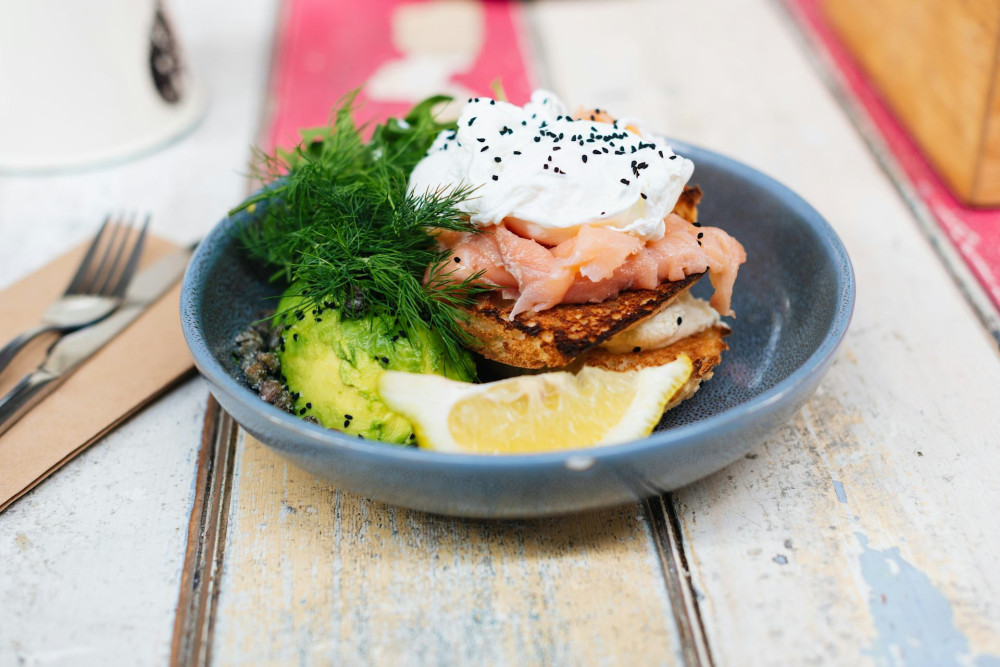
Plant-Based and Impressive – No Fancy Techniques Needed

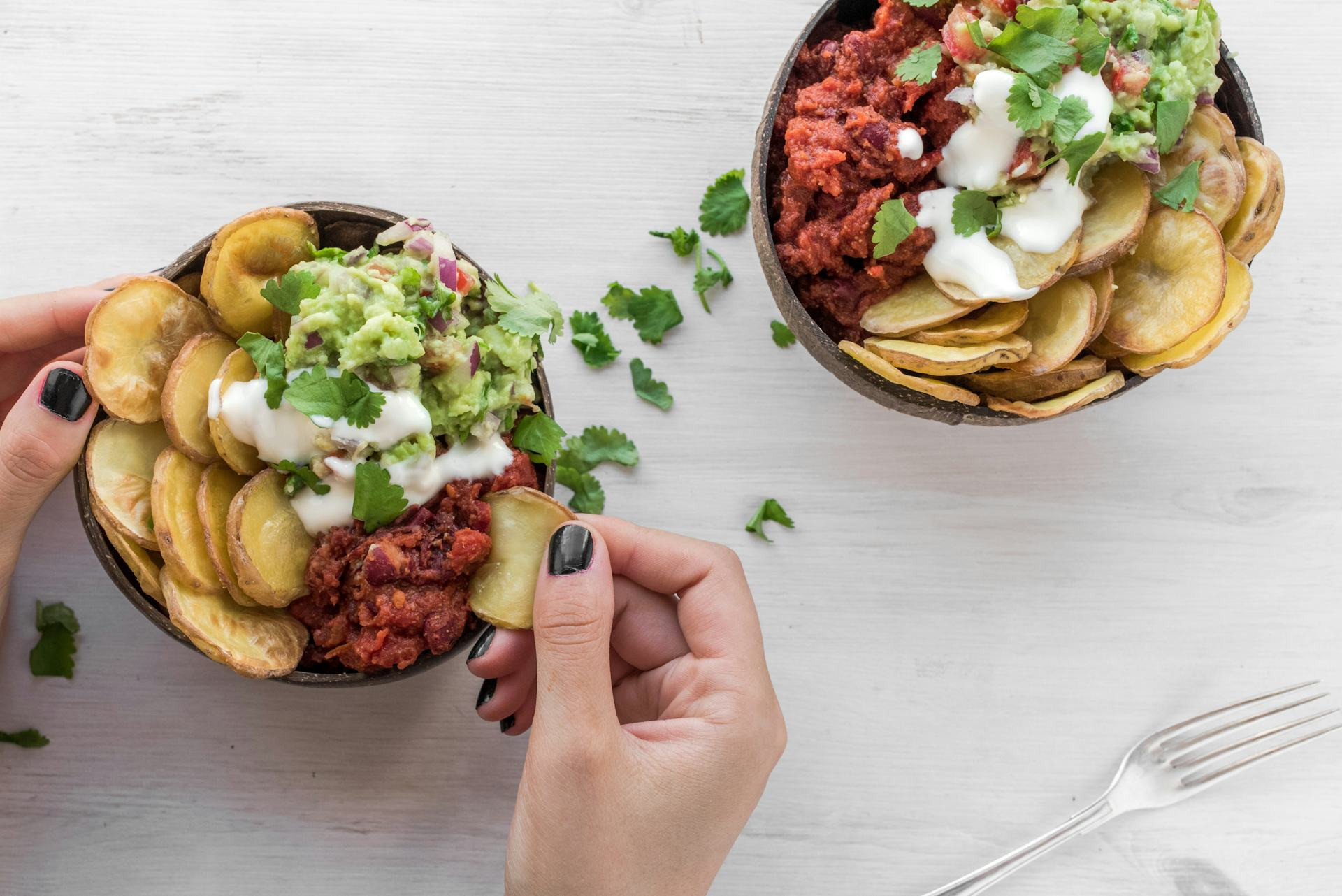
Plant-Based and Impressive – No Fancy Techniques Needed
Plant-based cooking often gets a reputation for being complicated—full of hard-to-find ingredients, long prep times, and techniques that seem better suited for a professional kitchen. But it doesn’t have to be that way. With a few simple ingredients and straightforward methods, you can create dishes that look and taste amazing, without spending hours in the kitchen. Here’s how to make plant-based meals that impress, using what you already have and keeping things easy.
Start with What You Know
You don’t need to reinvent your entire menu to eat more plant-based. Many familiar dishes can be made meat-free with just a few swaps.
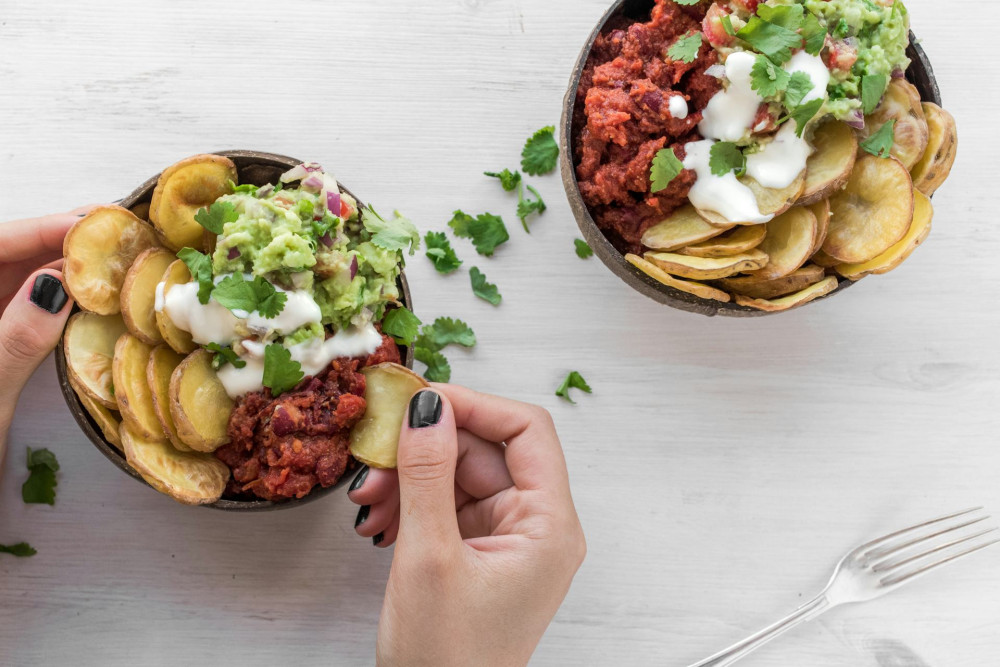
- Tacos can be filled with black beans, roasted sweet potatoes, or sautéed mushrooms instead of meat.
- Chili works beautifully with lentils or a mix of beans for a hearty, satisfying bowl.
- Pasta dishes can shine with roasted vegetables, olive oil, and a sprinkle of toasted nuts instead of cheese.
By starting with meals you already enjoy, you’ll find it easier to make the shift—and you won’t feel like you’re giving anything up.
Flavor Comes First
One of the biggest myths about plant-based food is that it’s bland. In reality, it’s all about how you season and cook your ingredients.
- Toast your spices in a dry pan before adding them to your dish to bring out their full aroma.
- Add acidity with lemon juice, vinegar, or lime to brighten flavors.
- Layer umami with soy sauce, miso, sun-dried tomatoes, or mushrooms for depth.
These small touches can transform a simple meal into something that tastes restaurant-worthy.
Make It Easy on Yourself
Eating more plants is much simpler when you set yourself up for success. Keep a few basics ready to go:
- Cooked beans or lentils – make a big batch and freeze in portions.
- Grains – cook extra rice, quinoa, or farro for quick lunches or dinners.
- Prepped veggies – chop or roast them ahead of time so they’re ready to toss into a salad, wrap, or bowl.
When the essentials are on hand, you can throw together a meal in minutes—like a grain bowl with roasted veggies and tahini dressing, or a wrap with hummus and greens.
Impress Without the Stress
Want to serve something that looks impressive but doesn’t take all day? Think in terms of color and texture. A plate with roasted carrots, crispy chickpeas, fresh herbs, and a creamy dressing looks like something from a trendy café—but it only takes a sheet pan and a blender.
Another easy trick: toppings. Sprinkle toasted seeds, chopped nuts, or a drizzle of flavored oil over your dish. These finishing touches add crunch, flavor, and a polished look with almost no effort.
Læs også:
Let the Seasons Guide You
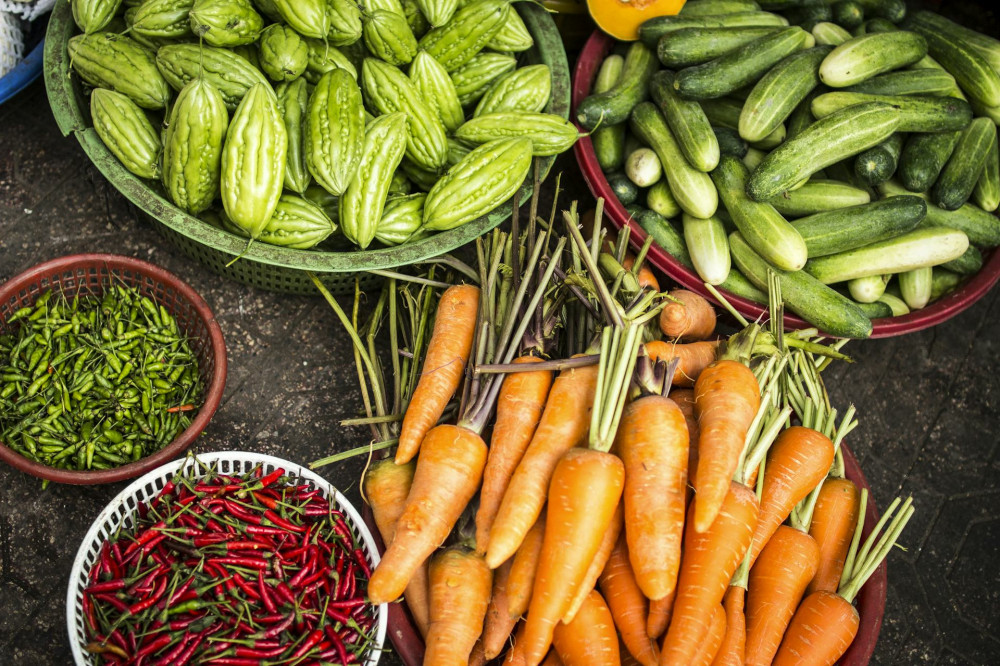
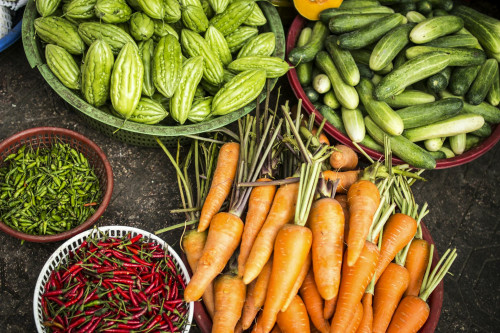
Cooking with seasonal produce means better flavor and better value. In summer, lean on tomatoes, corn, and zucchini. In fall, turn to squash, kale, and root vegetables. Winter brings hearty greens and sweet potatoes, while spring offers asparagus and peas.
Seasonal vegetables often need very little to shine—just a bit of olive oil, salt, and a squeeze of lemon. Simple cooking lets their natural taste do the work.
A Sustainable Habit
Eating more plant-based isn’t about perfection—it’s about progress. Start with one or two plant-based days a week and build from there. The more you experiment, the more you’ll discover new favorites that fit your lifestyle.
The key is to keep it approachable and satisfying. When your meals are both easy and delicious, eating plant-based becomes second nature—and you’ll find yourself wondering why you didn’t start sooner.
Læs også: