What Happens to the Ashes After a Cremation?

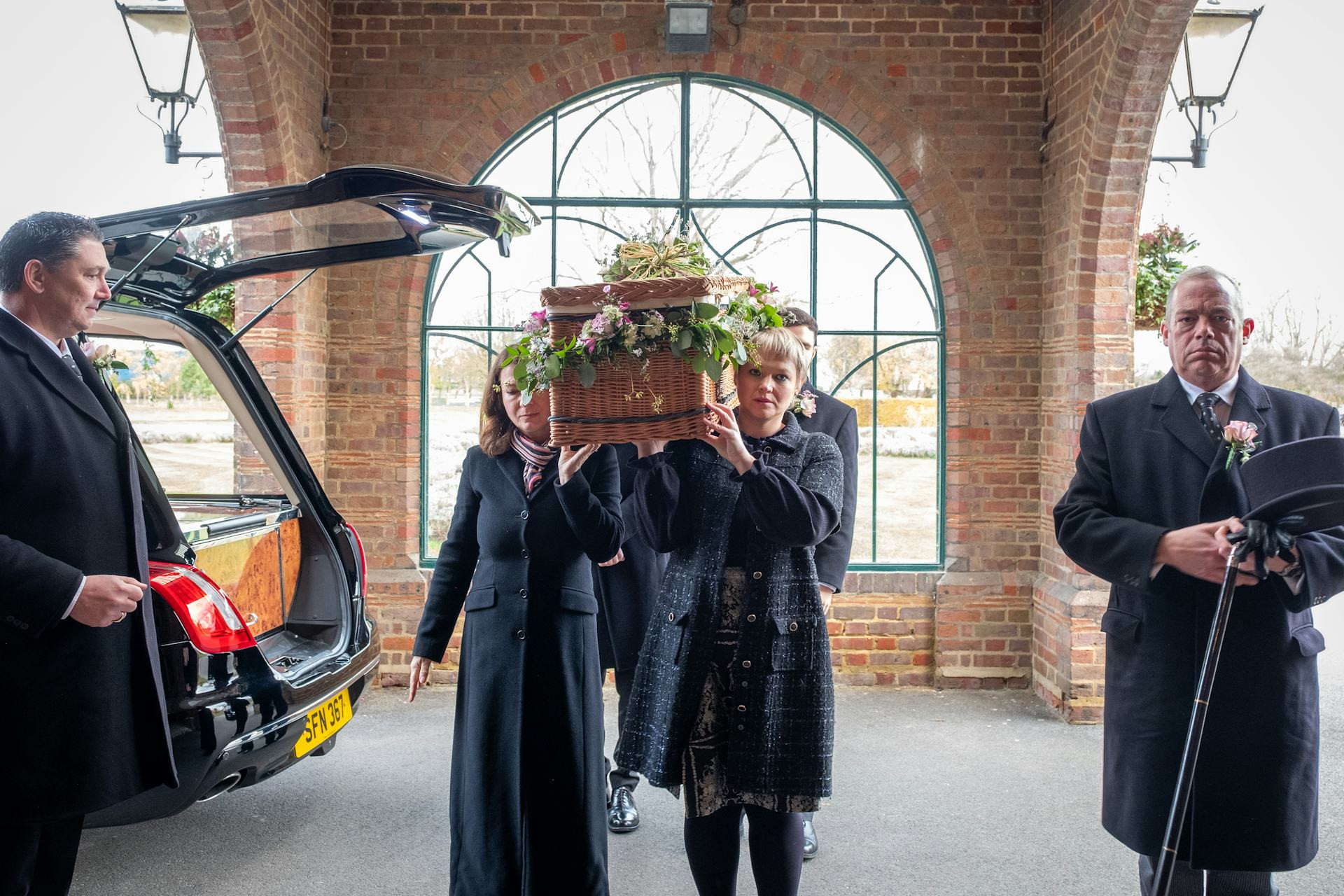
What Happens to the Ashes After a Cremation?
When a loved one is cremated, families are often left wondering: what actually happens to the ashes afterward? The process surrounding cremation and the handling of ashes involves both legal regulations and deeply personal choices. Here’s an overview of what happens—from the cremation itself to the final resting place of the ashes.
From Casket to Ashes
Cremation takes place in a crematory, where the deceased—inside a casket or approved container—is placed in a chamber heated to around 1,400–1,800 degrees Fahrenheit. The process usually lasts about two hours. What remains are fragments of bone, which are then processed into a fine, grayish-white powder commonly referred to as “ashes.”
The ashes are placed in a temporary container or an urn, labeled with identifying information to ensure that each family receives the correct remains. U.S. crematories are subject to strict identification and tracking procedures throughout the process.
Choosing an Urn and Storage Options
After cremation, the ashes are returned to the family, who can then decide what to do next. Many choose a decorative urn made of metal, wood, ceramic, or biodegradable materials, depending on whether the ashes will be buried, kept at home, or scattered.
Some families select personalized urns that reflect the personality or interests of the deceased—through color, design, or engraving. For many, the urn becomes a meaningful symbol of remembrance.
Burial or Placement in a Cemetery
One of the most common options is to bury the urn in a cemetery or place it in a columbarium niche. Cemeteries often have dedicated areas for cremated remains, and families can choose between private plots, shared memorial gardens, or community walls.
A small memorial service or graveside ceremony can accompany the placement of the urn, offering a moment of closure and a lasting place to visit and remember.
Scattering the Ashes
Scattering ashes is another popular choice in the United States. Families may scatter ashes over the ocean, in a favorite park, or in another meaningful location. However, there are rules to follow. The Environmental Protection Agency (EPA) requires that ashes scattered at sea be released at least three nautical miles from shore. On land, permission from the property owner or local authorities is usually required.
Some families choose to scatter ashes in national parks, but this typically requires a permit. Others prefer scattering gardens provided by cemeteries, which offer a peaceful and legal setting for this act of farewell.
Keeping Ashes at Home
Many Americans choose to keep the urn at home, often in a special place such as a mantel or memorial shelf. There are no federal laws prohibiting this, though some states have specific regulations about storage or future relocation. Keeping ashes at home can provide comfort and a sense of closeness, especially in the months following a loss.
Creative and Alternative Memorials
In recent years, new and creative ways to memorialize ashes have emerged. Some companies can incorporate a small portion of ashes into jewelry, glass art, or even vinyl records. Others offer to mix ashes with soil to plant a memorial tree, or to press them into coral reefs that help restore marine habitats.
These options allow families to create a lasting tribute that reflects the individuality of their loved one and their connection to nature or art.
Legal and Ethical Considerations
Cremation laws vary by state, but all are designed to ensure dignity and respect. It’s important to follow local regulations regarding transportation, storage, and scattering of ashes. If the deceased left written instructions about their wishes, those should be honored whenever possible.
Discussing one’s preferences in advance can spare loved ones from uncertainty and help ensure that final arrangements reflect personal values and beliefs.
Læs også:

A Final Resting Place and a Living Memory
Whether the ashes are buried, scattered, or kept close, the goal is the same: to provide a respectful resting place and a meaningful way for family and friends to remember. The ashes are not just what remains—they represent a life lived, a story completed, and a connection that continues in memory.
Læs også: