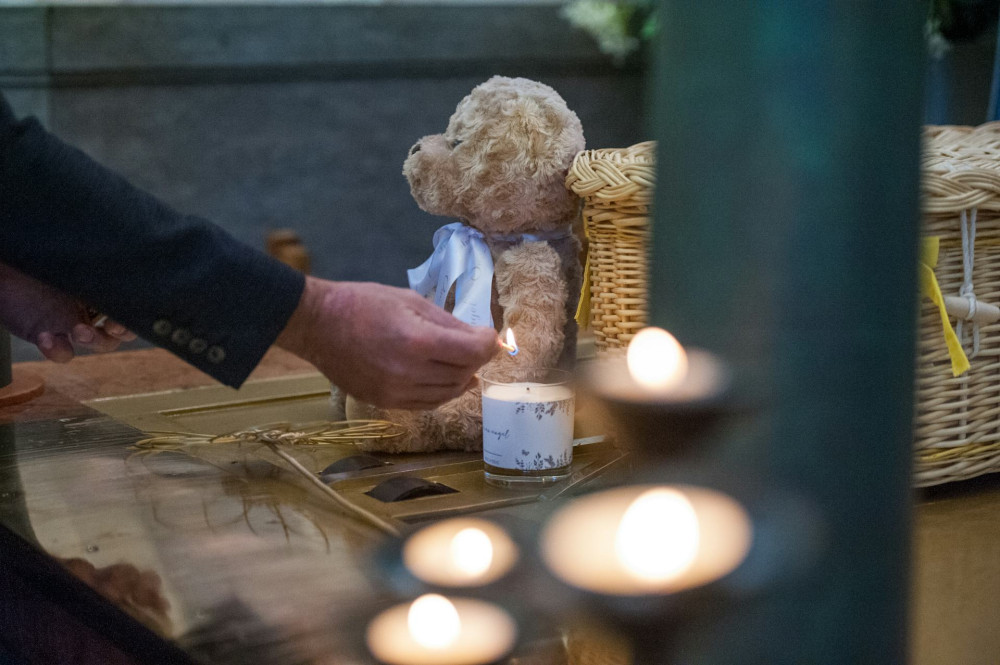
Condolence – A Special Way to Express Sympathy

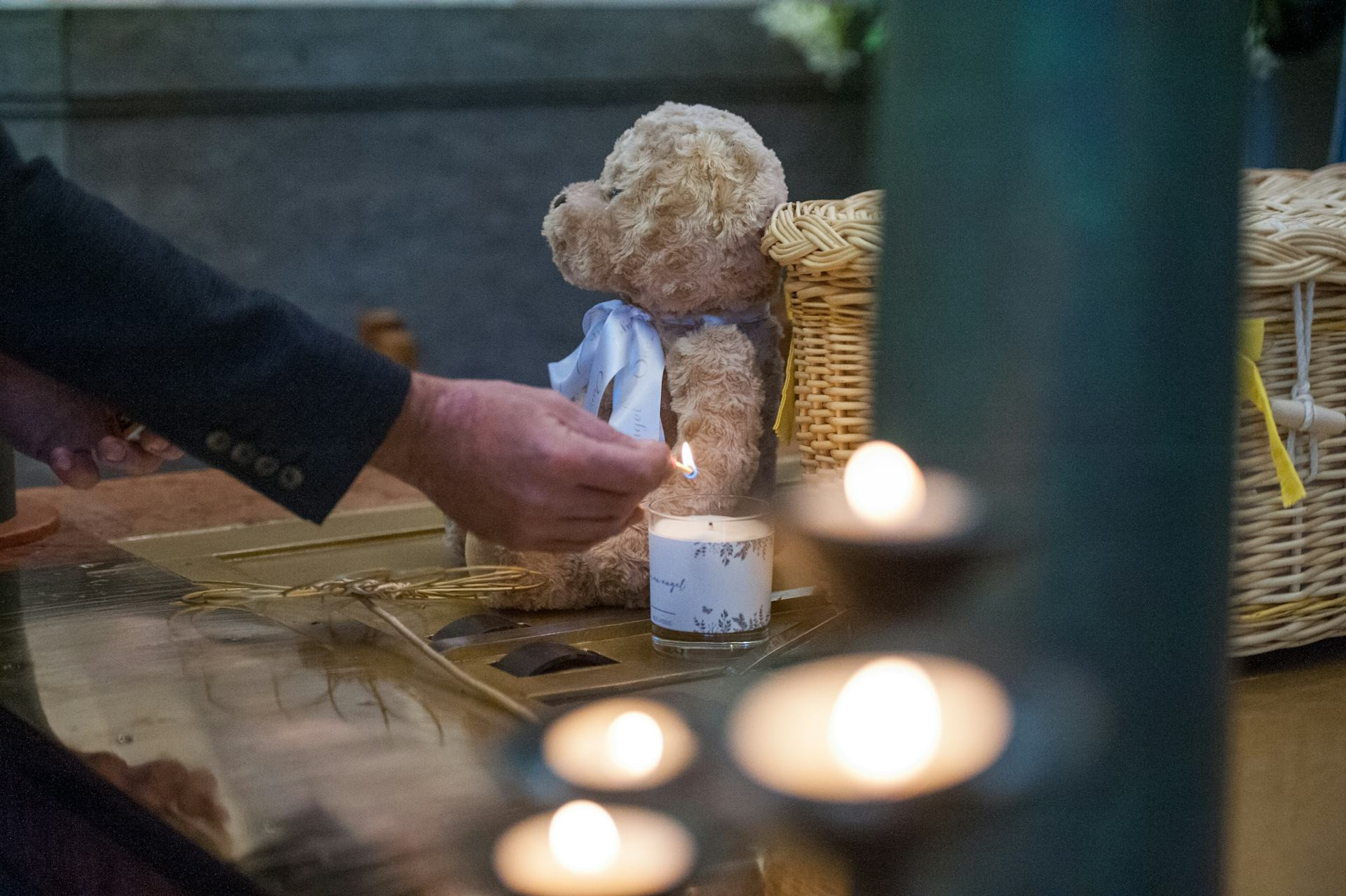
Condolence – A Special Way to Express Sympathy
When someone loses a loved one, it can be hard to find the right words. Yet, showing that you care can mean more than you realize. A condolence is a way to express sympathy and support — a small but meaningful gesture of compassion during a difficult time. But how can you do it in a way that feels sincere and respectful?
What It Means to Offer Condolences
To offer condolences means to express sympathy to someone who is grieving. The word comes from Latin and literally means “to grieve with.” It’s not about trying to fix the pain or find comforting explanations, but about acknowledging the loss and showing that you share in the sorrow.
Condolences can take many forms: spoken words, a card, flowers, a message, or simply a quiet presence. What matters most is not the form, but the thought behind it. For someone who is mourning, knowing that others care can bring real comfort.
When Words Are Hard to Find
Many people struggle to know what to say when someone has lost a loved one. The fear of saying the wrong thing can make us stay silent — but silence can sometimes feel like distance. It’s better to say a few simple words than nothing at all.
A short message such as “I’m so sorry for your loss” or “You’re in my thoughts” can be enough. The most important thing is that your words come from the heart. You don’t need to offer explanations or try to make things better — just show that you care.
If you’re writing a condolence card, you might include a memory of the person who passed away or mention something special you remember about them. Personal touches make your message warmer and more meaningful.
Different Ways to Express Condolences
There are no strict rules for how to offer condolences. It depends on your relationship with the person who is grieving and the one who has passed away.
- Personal message: A handwritten note, card, or letter is a thoughtful way to show sympathy.
- Flowers: Sending flowers to the funeral service or to the family’s home is a traditional and heartfelt gesture. A small ribbon or card with a short message can make it more personal.
- Online condolences: Today, many people share messages on memorial websites or social media. The same principles apply — be genuine, kind, and respectful.
- In-person support: If you are close to the bereaved, a visit or phone call can mean a lot. It’s not about finding the perfect words, but about being there.
When You Receive Condolences
Receiving condolences can be both comforting and overwhelming. Many people find that only later do they realize how much those messages and gestures meant. They are reminders that the person who passed away touched many lives — and that you are not alone in your grief.
There’s no need to respond to every message right away. Some people choose to send a general thank-you note later, when they feel ready. The most important thing is to take the time you need.
Læs også:



A Gesture That Speaks Beyond Words
At its heart, a condolence is an expression of human connection. It reminds us that grief is something we share — not something we have to carry alone. When we offer condolences, we show that we are willing to stand beside someone in their pain, even when words fall short.
Perhaps that’s why a condolence, no matter how simple, can mean so much. It says, “I see you. I’m thinking of you. You’re not alone.”
Læs også: