The Coffin as a Symbol: When the Passage Between Life and Death Takes Shape and Brings Comfort

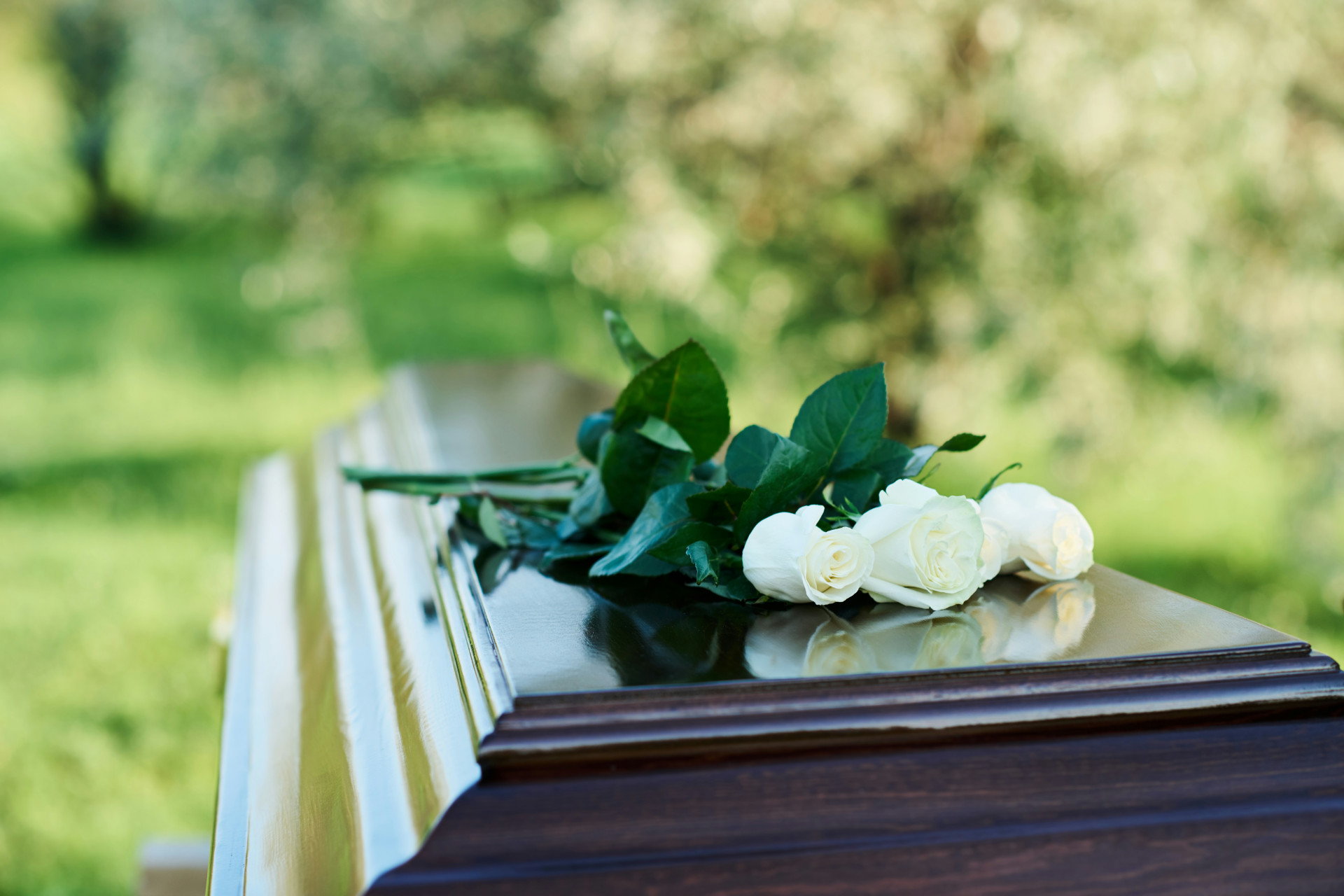
The Coffin as a Symbol: When the Passage Between Life and Death Takes Shape and Brings Comfort
When a person dies, the coffin becomes one of the most visible symbols of the passage between life and death. It stands at the center of the ceremony, surrounded by flowers, light, and people saying their final goodbyes. Yet the coffin is more than a practical necessity—it is a powerful cultural and emotional symbol that helps us face loss and give it meaning.
An Ancient Symbol with Many Layers
For centuries, the coffin has been part of how humans mark death. In ancient civilizations, it was often designed as a protective vessel to safeguard the soul’s journey to the afterlife. Today, it still carries that sense of protection, but also of dignity and respect.
When we see a coffin, death becomes tangible. It gives shape to something that otherwise feels abstract and overwhelming. At the same time, it provides a focal point for ritual—a place where grief can gather and where farewell takes physical form.
Materials, Colors, and Design: A Language of Their Own
The appearance of a coffin often reflects the personality of the deceased and the wishes of their loved ones. Some choose a simple, light-colored coffin as a symbol of peace and purity. Others prefer dark wood tones that convey tradition and solemnity.
In recent years, Americans have embraced greater freedom in how they design and select coffins. Eco-friendly options made from bamboo, willow, or recycled materials are becoming more common, reflecting a growing awareness of sustainability. Some families personalize the coffin with painted designs, photographs, or meaningful symbols—a final gesture of love that mirrors the life and values of the person who has passed.
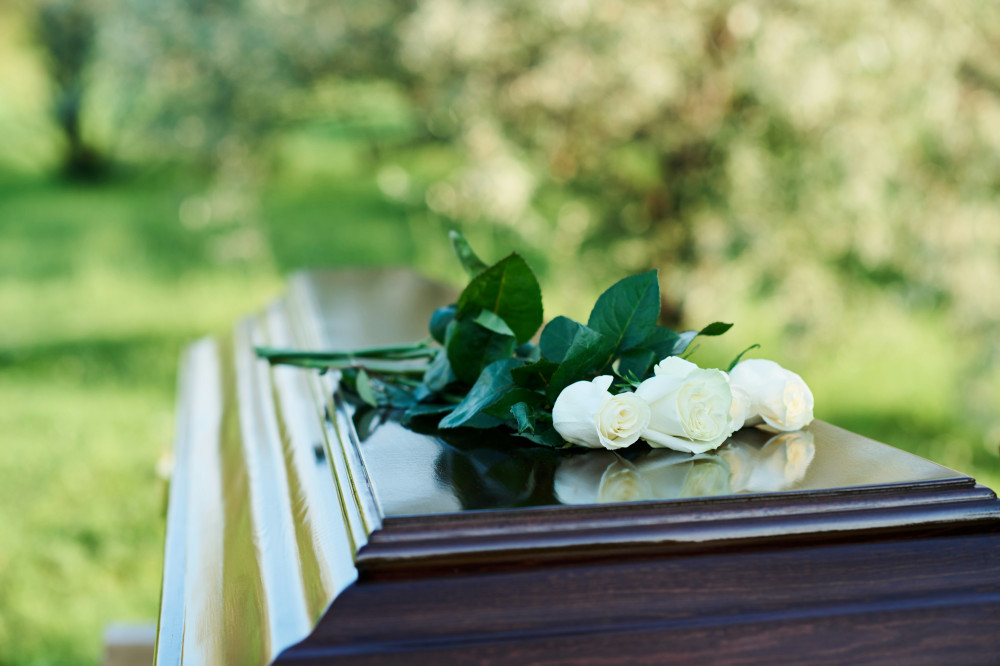
Even small details can hold deep meaning: a carved pattern, a brass handle, or a single flower placed on the lid. Each element contributes to the story of a life remembered.
Læs også:

The Coffin at the Heart of the Ritual
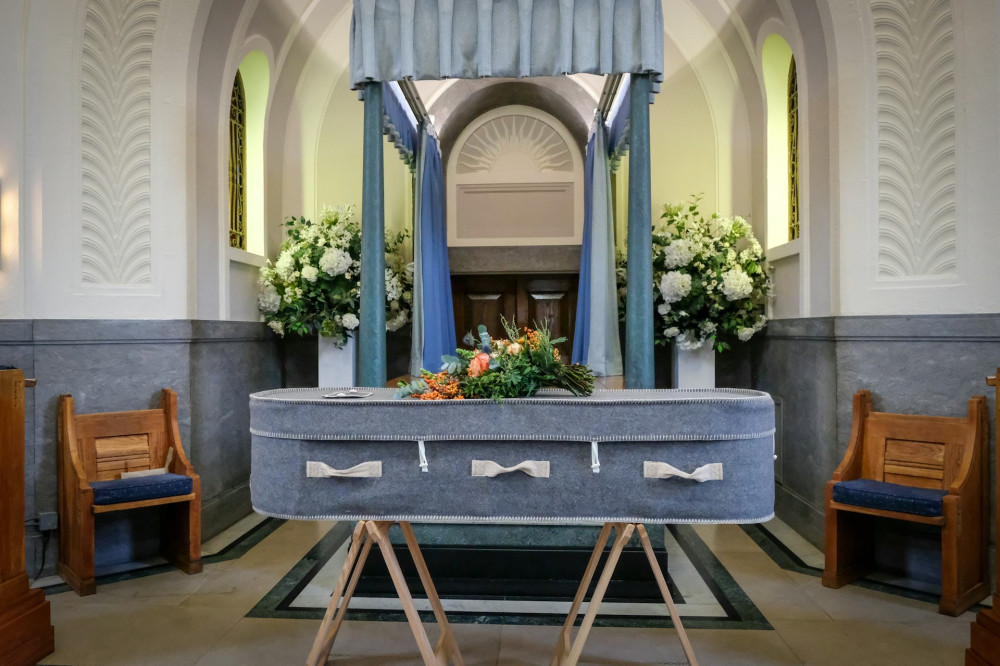
During a funeral or memorial service, the coffin becomes the emotional center of the ceremony. It draws the eye and gives mourners a place to direct their feelings. Whether the service takes place in a church, a funeral home, or outdoors, the coffin anchors the moment of farewell.
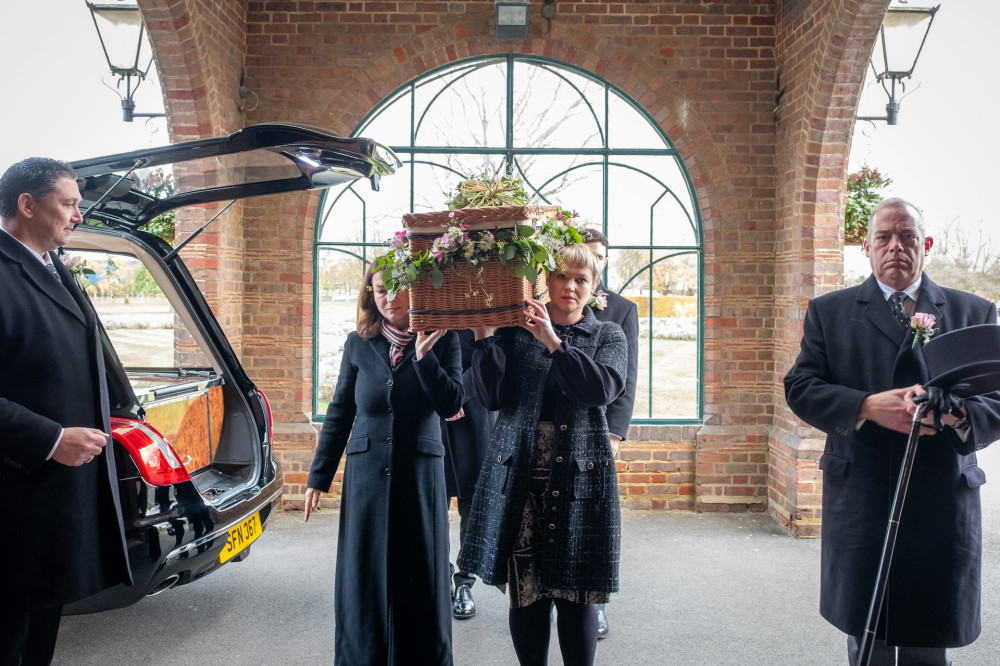
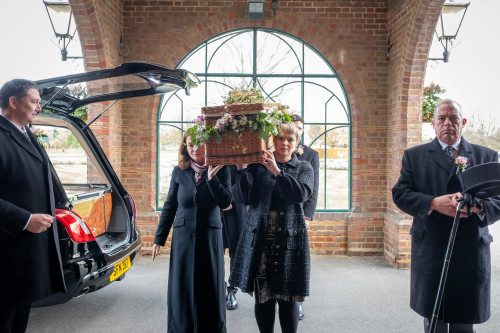
The act of carrying the coffin, lowering it into the ground, or watching it disappear behind chapel doors marks the transition from life to death in a way that is both painful and consoling. It is a moment when grief takes form, and ritual helps us begin to let go.
A Space for Comfort and Reflection
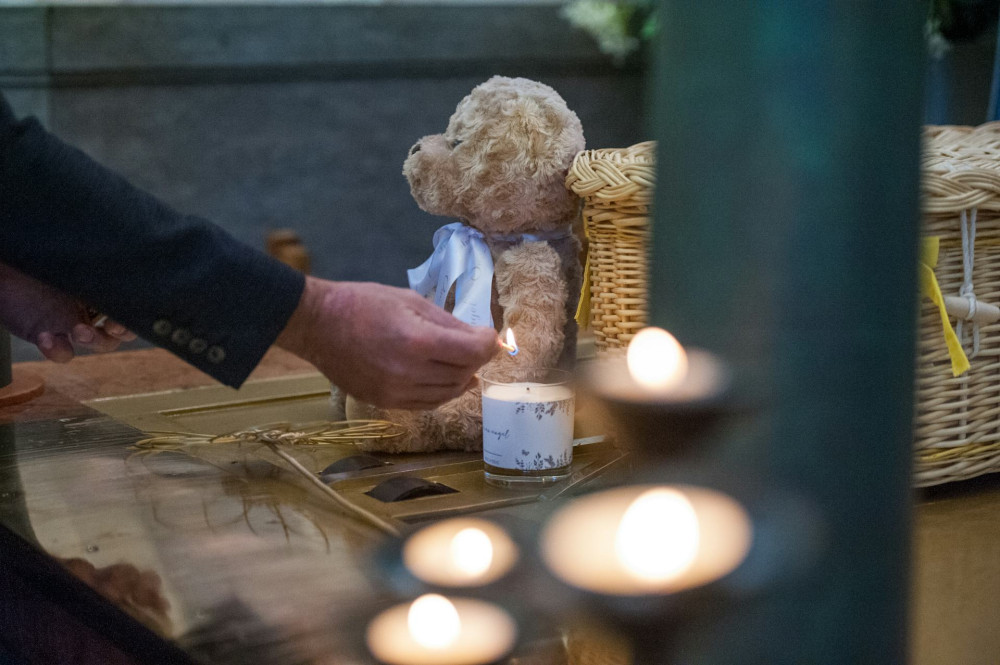
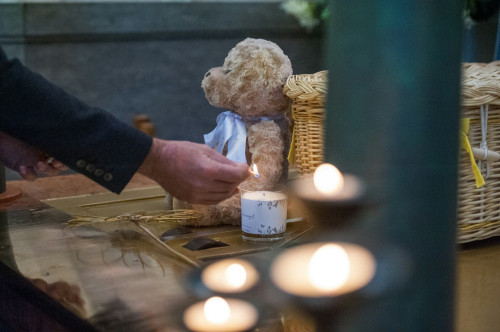
For many families, the coffin becomes a place to gather thoughts and emotions. It offers a concrete way to say goodbye—to place a letter, a photograph, or a small keepsake as a final expression of love.
In a culture that often keeps death at a distance, the coffin reminds us that farewell can also be beautiful. It makes death present, but in a way that allows room for both sorrow and gratitude.
From Tradition to Personal Expression
Funeral traditions in the United States are evolving toward greater personalization. More families are choosing to make the coffin part of the story of the person’s life—through color, design, or symbolic details that reflect who they were.
It might be grandchildren painting flowers on the lid, or a family selecting a natural wood coffin for someone who loved the outdoors. In these gestures, the coffin becomes not only a symbol of death but also a celebration of life.
A Symbol That Connects Life and Death
The coffin stands as one of the most powerful symbols in our encounter with death. It marks an ending, but also a connection—between what was and what remains.
When we gather around a coffin, we share grief, but also love. It reminds us that death is part of life, and that even in the act of saying goodbye, there can be meaning, beauty, and comfort.
Læs også: