Training with Calm: Activities That Boost Recovery and Mental Balance

Training with Calm: Activities That Boost Recovery and Mental Balance
In a culture that often equates fitness with intensity, sweat, and constant progress, we sometimes forget that rest is just as essential as effort. Recovery isn’t simply the downtime between workouts—it’s an active process where the body rebuilds and the mind regains balance. Training with calm means moving in ways that restore energy rather than deplete it. Here are some activities that can help you recover more effectively and find mental equilibrium.
Why Calm Training Matters
When we push our bodies hard, we break down muscle fibers and drain energy stores. It’s during recovery that the body repairs itself and grows stronger. But recovery isn’t only physical—our nervous system and mental state also need time to reset. Without enough rest, we risk overtraining, poor sleep, and burnout.
Gentle forms of movement such as yoga, Pilates, tai chi, and light swimming can lower stress levels, improve breathing, and enhance body awareness. They serve as a counterbalance to the fast pace of modern life, offering space for reflection and calm.
Yoga – Balancing Strength and Relaxation
Yoga has become one of the most popular ways to combine movement and mindfulness, and for good reason. Through controlled poses, stretches, and breathing, yoga connects body and mind. There are many styles—from slow, meditative yin yoga to the more fluid vinyasa flow.
For recovery, yin and hatha yoga are especially beneficial. They release tension, increase flexibility, and stimulate the body’s natural healing processes. At the same time, they cultivate patience and presence—qualities that support mental balance both on and off the mat.
Walking – The Underrated Recovery Tool
A simple walk can do wonders. It requires no equipment, and the pace can be adjusted to your energy level. Walking outdoors, especially in green spaces, has been shown to reduce stress and improve mood. The rhythmic motion and fresh air help the body recover while allowing the mind to unwind.
Try leaving your phone in your pocket and focus on your surroundings—the sounds, the scents, the feel of the ground beneath your feet. It’s a form of active meditation that strengthens both body and mind.
Breathing Exercises and Meditation
Many people underestimate how much breathing affects recovery. Slow, deep breathing activates the parasympathetic nervous system—the body’s “rest and digest” mode. This lowers heart rate, reduces stress hormones, and improves sleep quality.
A simple exercise is to inhale through your nose for four seconds, hold for two, and exhale for six. Practicing this for a few minutes can have a noticeable calming effect. When combined with short meditation or mindfulness sessions, it can create a sense of peace that lasts throughout the day.
Læs også:
Gentle Movement in Water
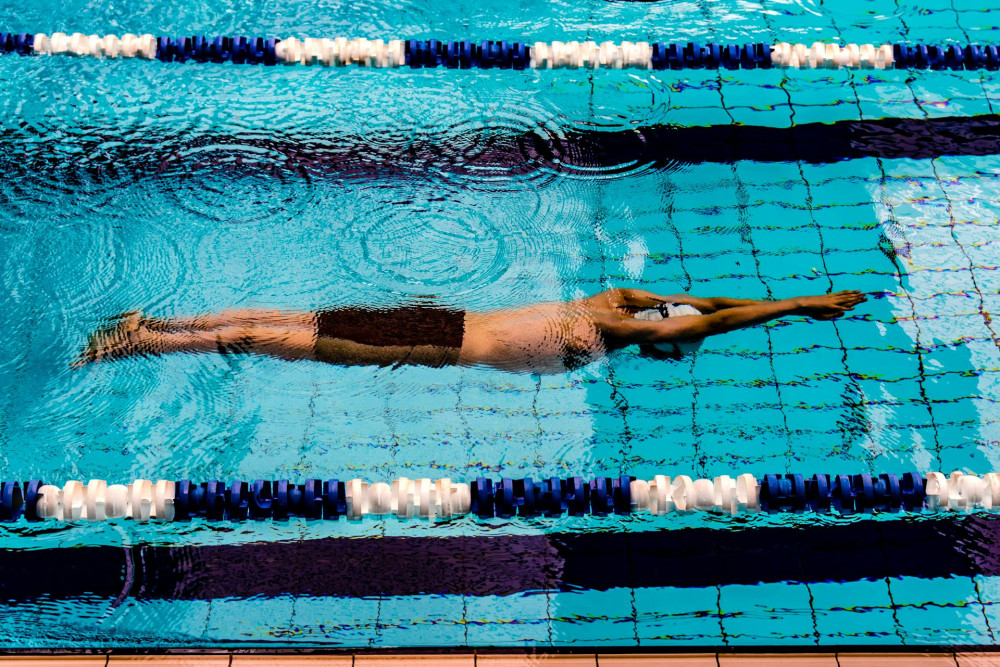
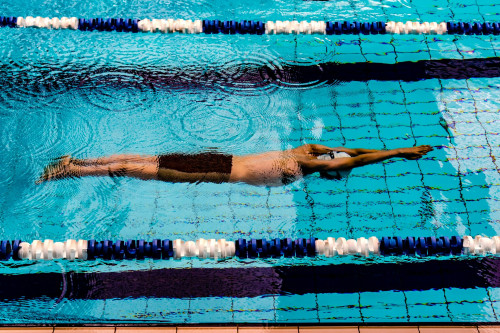
Water-based activities like swimming or aqua aerobics are ideal for recovery. The buoyancy of water reduces strain on joints and muscles while still engaging the entire body. The cooling sensation and rhythmic movement in water can ease tension and promote relaxation after intense workouts.
Whether it’s a few easy laps in the pool or a quiet swim in a lake, moving in water can be a soothing way to combine physical activity with mental restoration.
Making Recovery Part of Your Training Plan
Recovery shouldn’t be an afterthought—it deserves a place in your training schedule. A recovery day can include light movement, stretching, meditation, or simply rest and good nutrition. The goal is to give your body the best conditions to rebuild and your mind the space to recharge.
By integrating calm activities into your routine, you can achieve better results, reduce the risk of injury, and develop a more sustainable approach to fitness. Taking it slow isn’t a sign of laziness—it’s a sign of wisdom.
Training with Calm – An Investment in the Whole Self
Training with calm is about caring for your entire self, not just your muscles. It’s about finding balance between effort and ease, between performance and presence. When you allow yourself to slow down, you often discover more energy, sharper focus, and greater joy in movement.
So next time you plan your week, make room for calm. It’s not a break from training—it’s an essential part of it.
Læs også: