Know the Signs: The Most Common Causes of Sports Injuries

Know the Signs: The Most Common Causes of Sports Injuries
Whether you’re running, cycling, playing basketball, or lifting weights, sports injuries are a risk that comes with physical activity. Most injuries don’t happen overnight—they develop gradually, often due to overuse, poor technique, or insufficient recovery. Recognizing the early warning signs can make the difference between a short break and a long recovery. Here’s an overview of the most common causes of sports injuries—and how to prevent them.
Overuse – When the Body Says Stop
The most common cause of sports injuries is overuse. This happens when muscles, tendons, or joints are subjected to more stress than they can recover from. Typical examples include runner’s knee, shin splints, and tennis elbow.
Overuse injuries often occur when training volume increases too quickly or when the same movements are repeated without variation. Pain usually starts as a mild irritation but can develop into a chronic injury if ignored.
Prevention:
- Increase training volume gradually—no more than about 10% per week.
- Mix up your workouts to give certain muscle groups a break.
- Allow enough rest and recovery between sessions.
Læs også:

Poor Technique and Skipping Warm-Ups
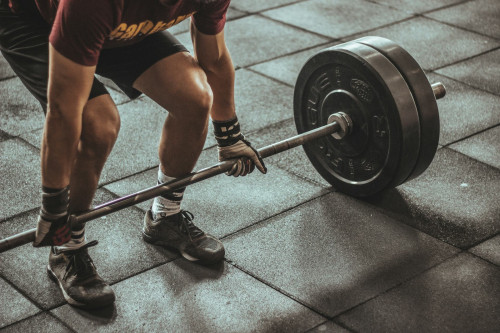
Another frequent cause of injuries is poor technique. This can range from improper foot alignment while running to incorrect lifting form in strength training. When movements are repeated with bad form, stress on joints and tendons increases.
Skipping warm-ups also plays a role. Cold muscles and stiff joints are less flexible and more prone to strains and pulls.
Prevention:
- Get professional guidance on proper form, especially when learning new exercises.
- Spend 10–15 minutes warming up to gradually raise your heart rate and mobility.
- End your workout with light stretching to maintain flexibility.
Pushing Too Hard, Too Fast
Many injuries occur because athletes push themselves too hard, too soon. This applies to both beginners and experienced athletes who overtrain. The body needs time to adapt to increased demands—and that adaptation happens during rest, not during the workout itself.
Lack of recovery can lead to stress fractures, tendonitis, and general fatigue. It’s the body’s way of signaling that it hasn’t had enough time to repair itself.
Prevention:
- Schedule rest days into your weekly training plan.
- Get enough sleep—recovery happens while you rest.
- Listen to your body: persistent soreness or fatigue means it’s time to slow down.
Inappropriate Equipment and Surfaces
The right gear can make a big difference. Running shoes that don’t match your foot type can cause knee and hip problems, while hard or uneven surfaces increase the risk of sprains.
In strength training, worn-out shoes or unstable grips can compromise balance and lead to injury.
Prevention:
- Have your gait analyzed if you run regularly.
- Replace shoes and equipment when they show signs of wear.
- Choose surfaces suited to your sport—for example, softer trails if you’re prone to knee pain.
Lack of Strength and Stability
Weak muscles around key joints like the knees, hips, and shoulders increase the risk of injury. When stabilizing muscles aren’t strong enough, tendons and ligaments have to compensate, which can lead to overuse injuries.
Core strength is especially important for maintaining balance and control during movement.
Prevention:
- Include strength training as a regular part of your routine.
- Focus on stability exercises such as planks, leg lifts, and balance drills.
- Train your entire body—not just the muscles you use most in your sport.
Ignoring Warning Signs
Perhaps the most overlooked cause of sports injuries is ignoring the body’s signals. Mild pain is often dismissed as “normal soreness,” but it can be the start of an injury. The earlier you respond, the faster you can recover.
Prevention:
- Take minor pain seriously—especially if it lasts more than a few days.
- Use ice and light rest at the first sign of irritation.
- Seek professional evaluation if pain doesn’t improve.
Know Your Body – Train Smart
Sports injuries can’t always be avoided, but many can be prevented with awareness, variety, and respect for your body’s limits. It’s not about training less—it’s about training smarter. By understanding the common causes and responding to early warning signs, you can stay active and keep doing what you love—without being sidelined.
Læs også: