One-Story or Two-Story Addition? Pros and Cons of Each Option

One-Story or Two-Story Addition? Pros and Cons of Each Option
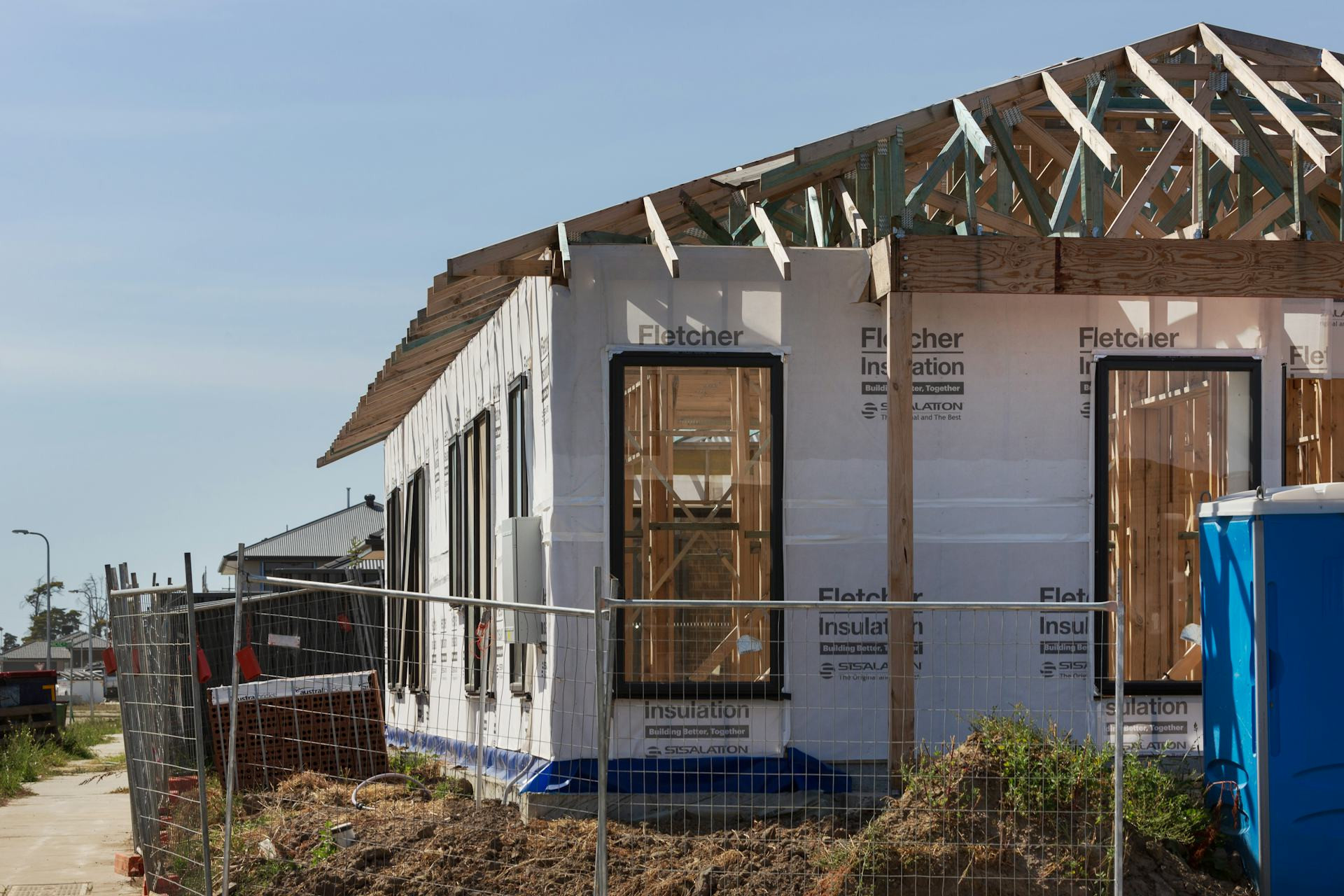
When your home starts to feel cramped and you need more space, one of the first questions to consider is whether to build a one-story or a two-story addition. Both options can add valuable square footage and increase your home’s resale value, but they differ significantly in cost, design, and functionality. Here’s an overview of the advantages and disadvantages of each, so you can make the best choice for your property and lifestyle.
One-Story Addition – A Seamless Extension
A one-story addition expands your home horizontally, creating a natural flow between the existing structure and the new space. It’s often the simplest and most straightforward option, especially if you have a large lot and want to maintain easy access to your yard or patio.
Pros
- Easy accessibility – With everything on one level, this option is ideal for families with young children, aging homeowners, or anyone who prefers to avoid stairs.
- Simpler construction – A single-story addition typically requires less structural reinforcement and no staircase, which can reduce building costs.
- Design continuity – It’s easier to match the existing architecture and materials, creating a cohesive look.
- Strong indoor-outdoor connection – Many homeowners use a one-story addition to expand the kitchen, dining, or living area, opening directly to a deck or backyard.
Cons
- Requires more lot space – If your property is small, a one-story addition can take up valuable yard area.
- Limited layout flexibility – It can be harder to separate living zones, such as private and social areas, on a single level.
- Potential design imbalance – A large horizontal addition can make the home appear flat or bulky if not carefully designed.
Two-Story Addition – More Space Without Losing Yard
A two-story addition builds upward instead of outward, making it a smart choice for smaller lots or homeowners who want to maximize living space without sacrificing outdoor area.
Pros
- More space per square foot of land – You can double your living area without expanding your home’s footprint.
- Clear separation of spaces – Many homeowners use the upper floor for bedrooms and the lower for living areas, creating a natural division.
- Increased home value – A well-designed two-story addition can modernize your home’s appearance and significantly boost resale value.
- Better light and views – Upper-level rooms often get more natural light and can offer scenic views, depending on your location.
Cons
- Higher construction costs – Building upward requires additional structural support, a staircase, and possibly foundation reinforcement.
- More complex permitting – Local building codes may impose height restrictions, setback requirements, or neighborhood design guidelines.
- Accessibility challenges – Stairs can be inconvenient or unsafe for small children or older adults.
- Greater visual impact – A second story changes the home’s proportions and may require careful architectural planning to maintain curb appeal.
Læs også:
Which Option Is Right for You?
The decision between a one-story and a two-story addition depends on several factors: your lot size, existing structure, family needs, and budget.
- If you have a spacious yard and prefer a simpler, more accessible layout, a one-story addition may be the best fit.
- If your lot is limited but you need substantial extra space, a two-story addition could be the smarter long-term investment.
Consulting an architect or design-build contractor early in the process can help you evaluate structural feasibility, zoning requirements, and design harmony with your existing home.
Don’t Forget Permits and Budget
Before starting construction, check with your local building department about permits, zoning laws, and setback requirements. Regulations vary by city and county, and compliance is essential to avoid costly delays. Create a realistic budget that includes design fees, construction costs, site preparation, and a contingency for unexpected expenses. While an addition is a major investment, it can greatly enhance your home’s comfort, functionality, and value.
Build for the Way You Live
Ultimately, the best addition is one that supports your lifestyle. Think about how you use your home today and how your needs might evolve in the future. Whether you choose a one-story or two-story addition, thoughtful planning and good design can transform your home from cramped to comfortable—and make it a place you’ll love for years to come.
Læs også: