More Peace at Home with Soundproof Windows

More Peace at Home with Soundproof Windows
Noise from outside is one of the most common reasons for restlessness at home. Traffic, neighbors, trains, or city life can make it hard to relax, sleep, or focus. Fortunately, there’s an effective solution that can improve comfort and even increase your home’s value: soundproof windows. In this article, we’ll look at how they work, when they’re worth the investment, and what to consider before having them installed.
Why Noise Is More Than Just an Annoyance
Constant noise doesn’t just affect your mood—it can also impact your health. Studies show that long-term exposure to background noise can lead to stress, sleep problems, and reduced concentration. Even lower noise levels that you think you’ve gotten used to can take a toll over time.
That’s why reducing noise isn’t just about comfort—it’s about well-being. A quieter home means better sleep, more energy, and a greater sense of calm, especially in urban areas where noise is part of daily life.
Læs også:

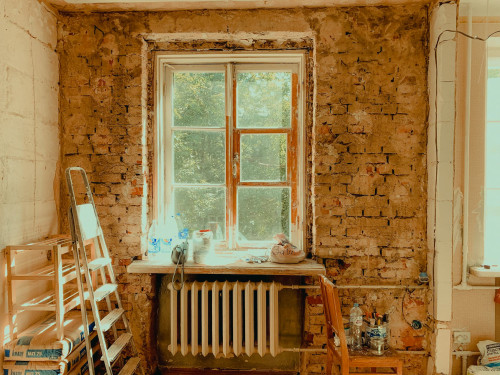
How Soundproof Windows Work
Soundproof windows differ from standard windows in their construction. They typically consist of multiple layers of glass with varying thicknesses and spacing, which disrupt sound waves and reduce how much noise passes through. Between the panes, there’s often a special gas fill and tightly sealed frames that prevent vibrations.
Soundproofing performance is measured in decibels (dB). A standard window might block around 30 dB of noise, while a soundproof window can reduce it by 40–50 dB—a noticeable difference that can transform your living environment.
When It Makes Sense to Invest
Soundproof windows are especially valuable if you live near:
- Busy roads or highways
- Rail lines or airports
- Downtown areas with nightlife
- Schools, playgrounds, or sports fields
Even in quieter neighborhoods, they can be a great choice for bedrooms or home offices where peace and focus matter most. Many homeowners start by replacing windows in the noisiest rooms and then upgrade the rest of the house over time.
Combine Soundproofing with Energy Efficiency
A major bonus of modern soundproof windows is that they’re often highly energy-efficient. That means you can reduce both noise and heat loss at the same time. Windows with low-emissivity (Low-E) coatings and insulated frames help keep your home warmer in winter and cooler in summer.
This makes the investment even more appealing—you’ll enjoy a more comfortable indoor climate and potentially lower energy bills.
What to Consider Before Installing
Before making a decision, there are a few practical factors to keep in mind:
- Home style and age – Choose windows that match your home’s architecture and design.
- Ventilation – Soundproof windows are tightly sealed, so ensure proper airflow or consider mechanical ventilation.
- Installation quality – Proper installation is crucial. Even small gaps can significantly reduce soundproofing performance.
- Cost and incentives – Prices vary depending on size, type, and number of windows. Check for local or federal energy-efficiency rebates that may help offset the cost.
It’s a good idea to have a professional assess your current noise levels and recommend the best solution for your home.
An Investment in Comfort and Quality of Life
Soundproof windows aren’t just a technical upgrade—they’re an investment in your quality of life. When outside noise fades, your home becomes a more peaceful and enjoyable place to be. Many homeowners report sleeping better, feeling less stressed, and being more productive.
For families in busy neighborhoods, the difference can be dramatic. And for those who work from home, fewer distractions can make every day more focused and calm.
A quiet home is a healthy home—and soundproof windows can be the key to creating the peace and comfort you’ve been looking for.
Læs også: