How to Make Small Rooms Feel Bigger with the Right Lighting

How to Make Small Rooms Feel Bigger with the Right Lighting
Small rooms can easily feel cramped and dark, but with the right lighting, you can create the illusion of more space, air, and openness. Light influences how we perceive size and depth more than most people realize—and with a few smart choices, even the tiniest living room, hallway, or bedroom can feel larger and more inviting. Here’s a guide to using lighting strategically to make small spaces shine.
Start by Understanding the Room’s Natural Light
Before choosing fixtures, take time to observe how daylight moves through the room. A north-facing window tends to bring in cooler, softer light, while south-facing rooms often get warm, direct sunlight. Let the natural light be your starting point.
If your space doesn’t get much daylight, compensate with multiple light sources at different levels. Avoid relying on a single overhead fixture—it can cast harsh shadows and make the room feel flat and smaller. Instead, layer your lighting to create depth and balance.
Layer Your Lighting
A well-lit room combines three types of lighting: ambient, task, and accent. In small spaces, the combination is what makes the difference.
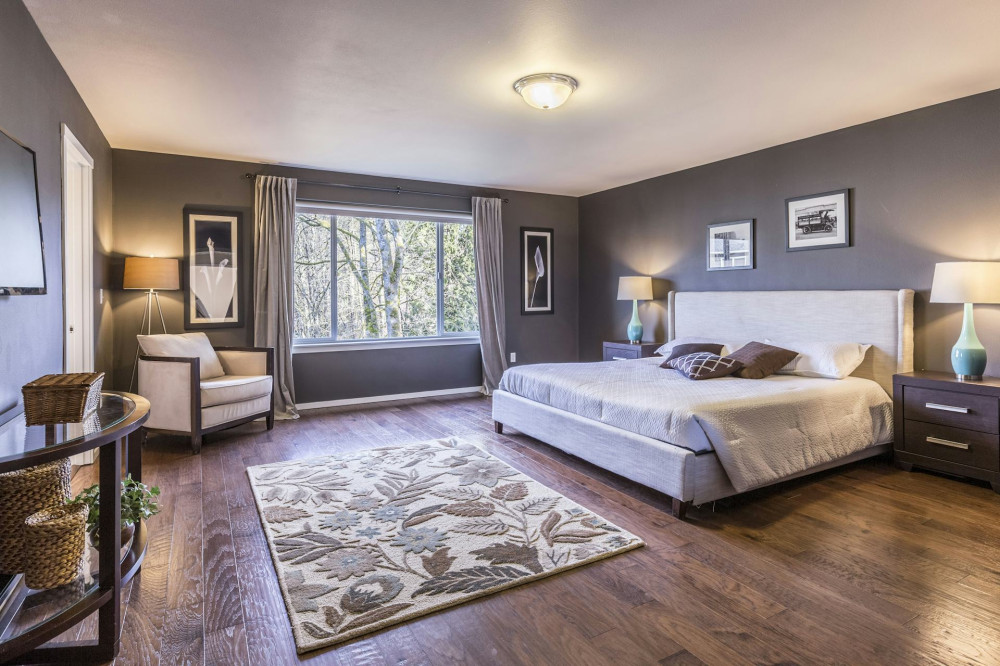
- Ambient lighting: This is your general, overall light. Choose soft, even illumination that spreads throughout the room. Recessed lights, ceiling fixtures that bounce light upward, or wall sconces that reflect light off the ceiling can make the space feel taller and more open.
- Task lighting: Add focused light where you need it most—at a desk, kitchen counter, or reading nook. This keeps the space functional without over-lighting the entire room.
- Accent lighting: Use small lamps, LED strips, or candles to add warmth and variation. Soft light in corners or on shelves brings life and dimension to the space.
When you combine multiple light sources, you eliminate dark corners and harsh contrasts—helping the eye perceive the room as more spacious.
Læs også:
Use Reflective Surfaces and Light Colors
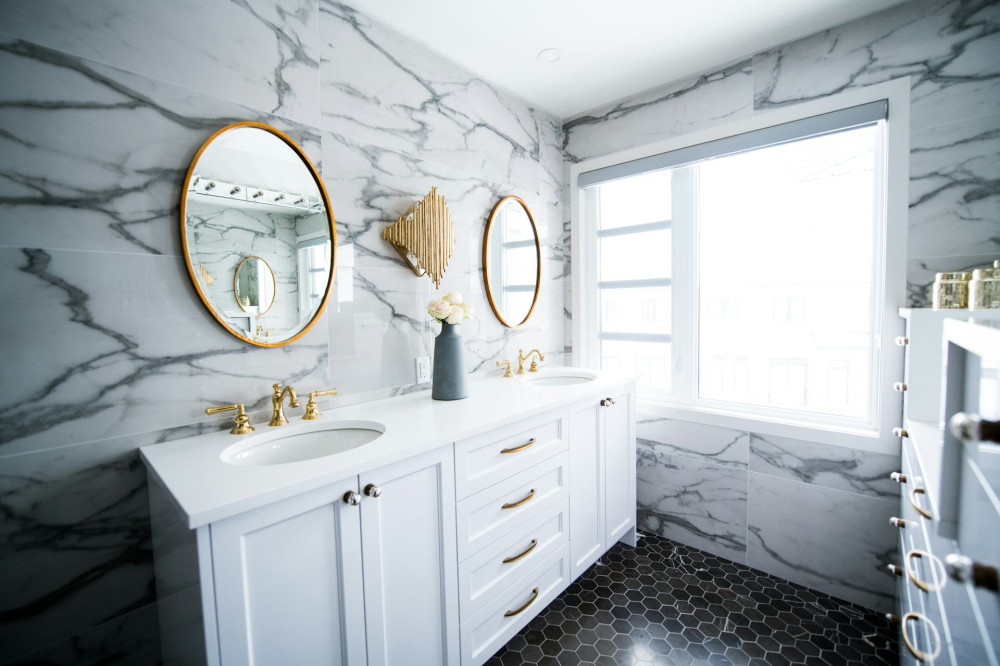
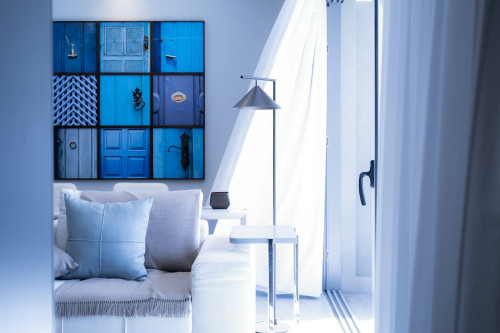
Light works best when it has something to bounce off. A white or light-colored ceiling reflects light back into the room, while glossy surfaces like mirrors, glass, and metal amplify the effect. Try placing a lamp near a mirror—it doubles the light and creates a sense of depth.
Choose bulbs with a warm, natural color temperature (around 2700–3000 Kelvin). Light that’s too cool can feel sterile, while overly warm light can make the space feel heavy. Aim for a balanced, soft glow that makes walls and furniture appear lighter.
Think Vertically and Use the Walls
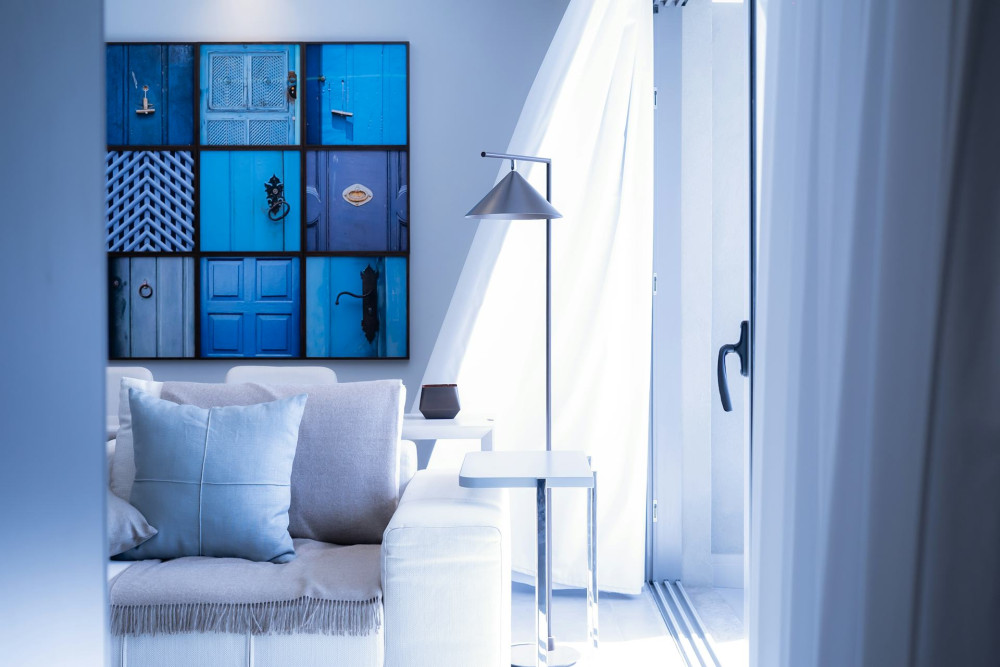
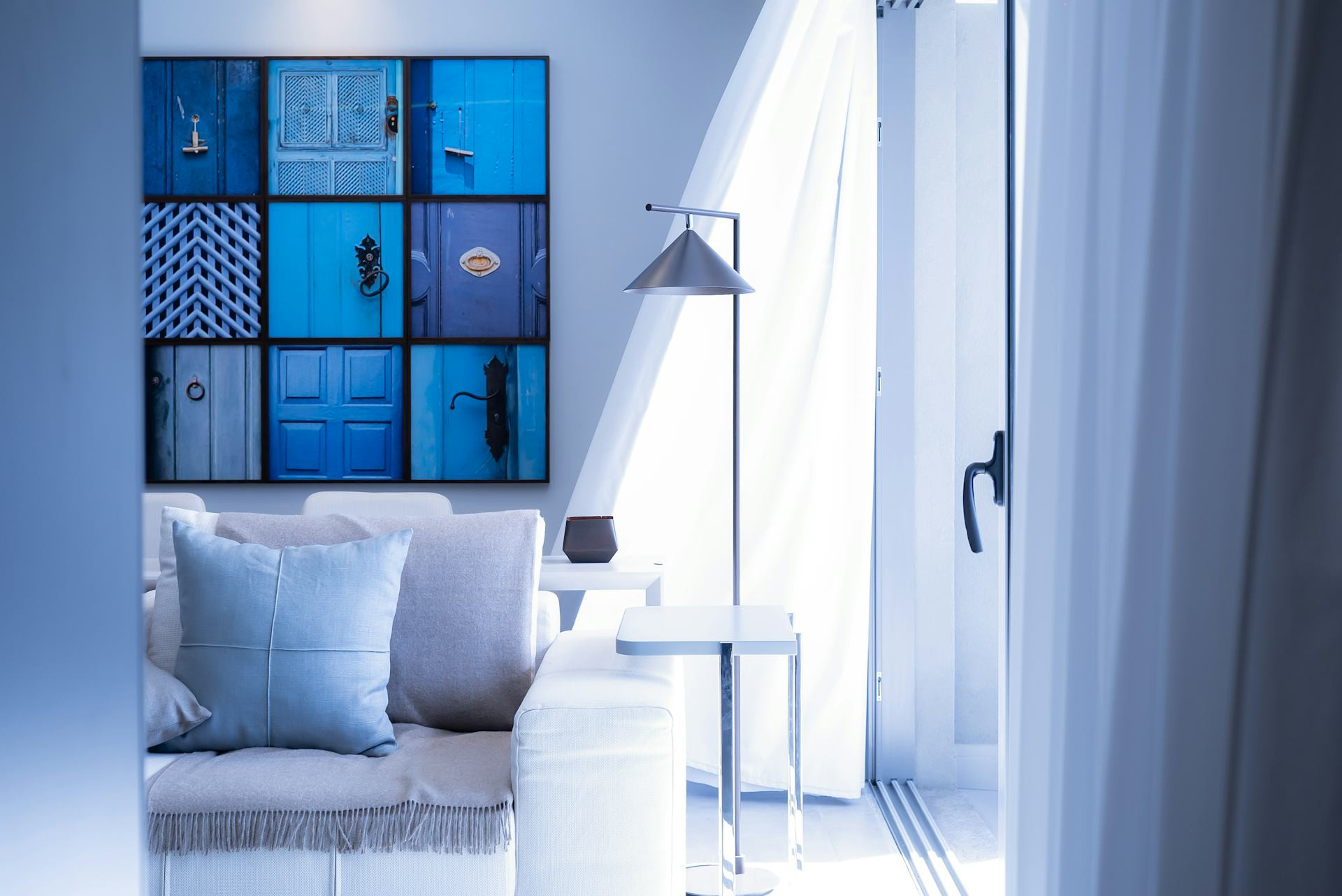
In small rooms, floor space is precious, so make the most of your walls. Wall sconces that cast light both upward and downward can make walls appear taller. Hanging pendant lights close to a wall can create a beautiful wash of light that adds character without taking up space.
Consider adding LED strips along ceiling edges or behind furniture. Indirect lighting gives a floating effect that visually expands the room.
Avoid Dark Corners and Harsh Contrasts
Uneven lighting is one of the biggest culprits in making small rooms feel smaller. A dark corner can make the entire space seem closed in. Make sure light reaches every part of the room—small, adjustable spotlights or discreet lamps can help.
At the same time, avoid extreme contrasts between bright and dark areas. The eye is naturally drawn to dark spots, which can make the room feel confined. A consistent, soft light creates calmness and a sense of openness.
Use Light to Highlight What You Love
Lighting can also guide attention. If you have a favorite piece of art, a plant, or a textured wall, highlight it with a spotlight or a focused lamp. When the eye has a focal point, the room feels more harmonious and thoughtfully designed.
Conversely, keep less attractive areas—like radiators or storage bins—in softer, more subdued light. This creates visual balance and direction.
Add Flexibility with Dimmers and Adjustable Lamps
Small rooms often serve multiple purposes—living area, workspace, and sleeping zone all in one. Flexibility is key. Use dimmable lights so you can adjust brightness as needed. Lamps that tilt, swivel, or move easily let you change the mood in seconds.
A room that can shift character with the lighting feels both larger and more dynamic.
Lighting as a Sense of Space
The right lighting isn’t just about function—it’s about feeling. When light is balanced and layered, even the smallest rooms feel open, calm, and welcoming. You don’t need a big budget—just thoughtful planning and an understanding of how light shapes our perception of space.
With the right fixtures, colors, and placement, you can create a home that feels brighter, bigger, and more harmonious—no matter how many square feet you have to work with.
Læs også: