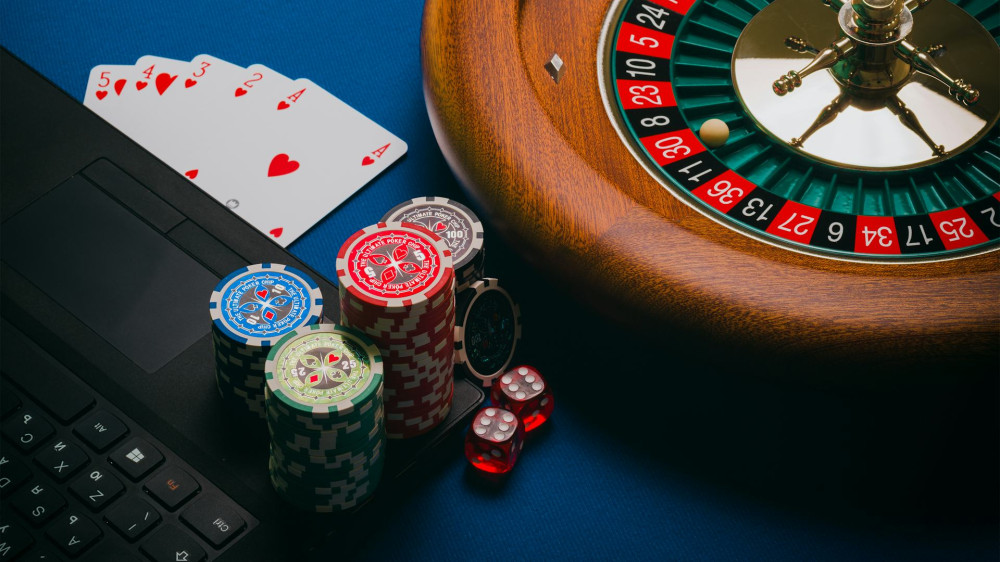
Theme and Design: Factors That Influence a Game’s Payout Percentage

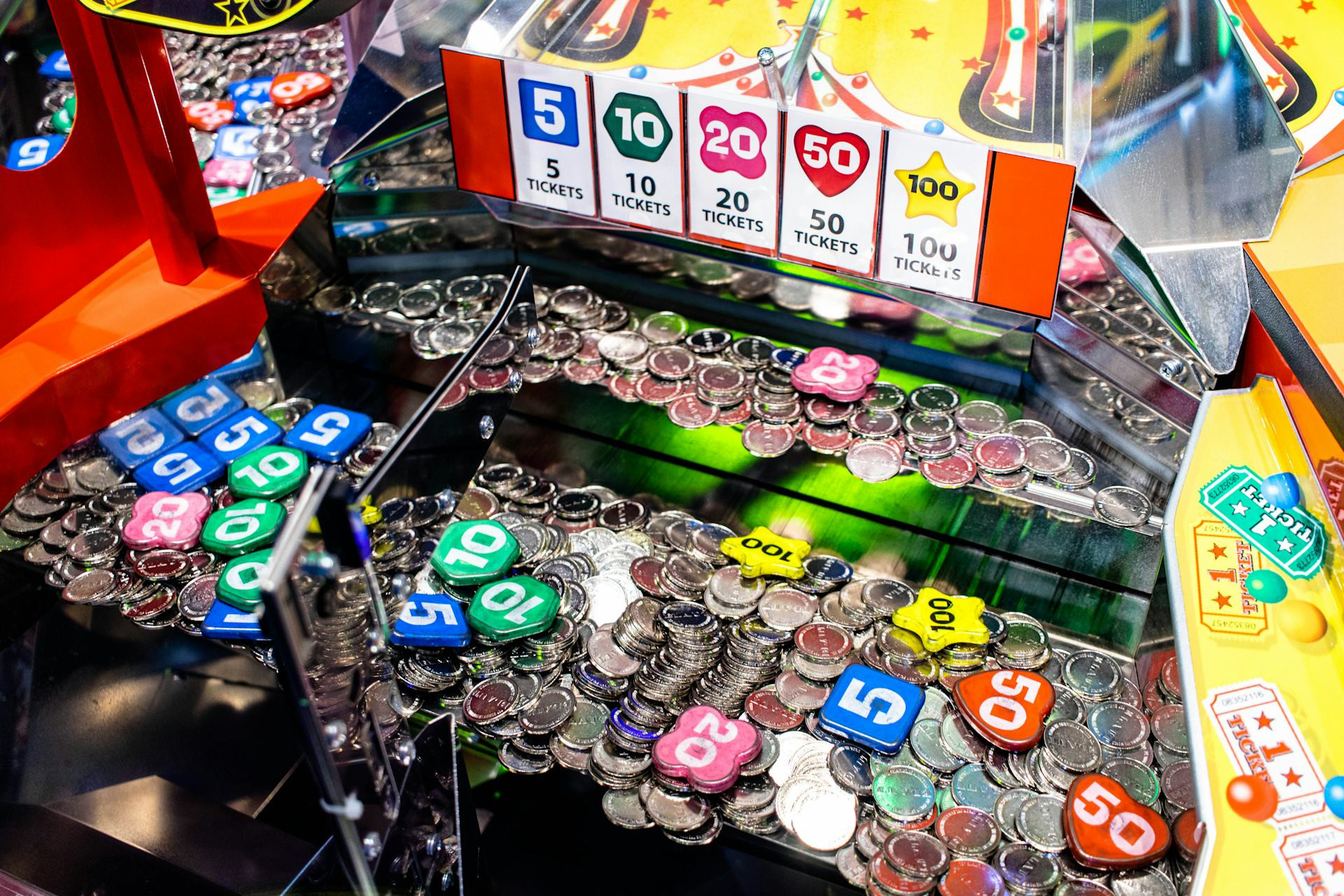
Theme and Design: Factors That Influence a Game’s Payout Percentage
When it comes to online casino games, the payout percentage—often referred to as RTP (Return to Player)—is one of the most important concepts to understand. It represents the average amount of money a game returns to players over time, expressed as a percentage of total wagers. But while RTP is a mathematical measure, it’s not determined by numbers alone. Theme, design, and overall player experience also play a role in how developers set and present a game’s payout. In this article, we’ll explore how aesthetics, sound, pacing, and game mechanics can influence both the RTP and how players perceive it.
What Does RTP Really Mean?
RTP is a theoretical average calculated over thousands or even millions of game rounds. A slot with a 96% RTP means that, on average, it pays back $96 for every $100 wagered—but not necessarily in a single session. The remaining percentage represents the casino’s edge, or house advantage.
It’s important to note that RTP doesn’t indicate how often you’ll win, but rather how much the game returns over time. Two games with identical RTPs can feel completely different because their design and theme affect how wins are distributed and experienced.
The Role of Theme: Setting the Mood and Shaping Behavior
A game’s theme—whether it’s ancient Egypt, the Wild West, or a futuristic space adventure—has a major impact on how players engage with it. A strong theme can create a sense of excitement and immersion that keeps players spinning longer.
Developers often use theme to support specific payout structures. A high-action, dramatic theme might pair with high volatility, meaning wins are less frequent but larger when they occur. A lighthearted, colorful theme might feature lower volatility, offering smaller but more frequent wins. Even if both games have the same RTP, the experience of playing them can feel very different.
Design and the Player Experience
Design goes beyond visuals—it includes pacing, sound, and interactivity. A game with fast animations and energetic music can feel intense and thrilling, while one with soft colors and calm audio creates a more relaxed atmosphere.
These design choices can subtly influence how players perceive a game’s generosity. Frequent small wins or bonus triggers can make a game feel like it has a higher RTP, even if the actual percentage is the same as another title. Conversely, a game with long dry spells might feel “tight,” even when the math says otherwise.
Læs også:
Game Mechanics and Bonus Features
Behind every theme and design lies the mathematical engine that determines how RTP is distributed across base gameplay, bonus rounds, and special features. Some games allocate a large portion of their RTP to bonus rounds, meaning players need to play longer to experience the full return. Others spread payouts more evenly throughout regular play.
Developers often use bonus features to balance the overall experience. A game with a lower RTP might still feel exciting if it offers frequent mini-games or free spins, while a high-RTP game can seem dull if wins are rare. Striking the right balance between math and entertainment is what makes modern game design both a science and an art.
How Theme and Design Influence Player Choices
While RTP is an objective number, many players choose games based on theme and design rather than statistics. A game that looks great, sounds engaging, and feels rewarding can hold a player’s attention longer—even if its RTP is slightly lower than others. That’s why developers invest heavily in creating cohesive experiences where visuals, sound, and mechanics work together seamlessly.
For players, this means the “best” game isn’t always the one with the highest RTP, but the one that delivers the most satisfying experience. It’s about finding the right balance between entertainment and probability.
The Intersection of Math and Emotion
RTP is a valuable tool for understanding a game’s financial structure, but it doesn’t tell the whole story. Theme and design shape how RTP is experienced in practice—and how players respond to it. A well-designed game can make an average RTP feel generous, while a poorly designed one can make even high percentages seem unrewarding.
For both players and developers, the key is recognizing that gaming is a blend of mathematics and emotion. It’s in this intersection that the magic happens—and where the difference between a good game and a great one truly emerges.
Læs også: